Portable hand washing stations: Types, capacity, and how to choose the right units
- Four types cover most fleets. Freestanding single and dual basin, multi-basin, in-unit sinks, and heated stations, plus sanitizer as a supplement.
- 4 to 6 washes per worker daily, 1 to 2 per event attendee. Size from the job, not the tank, and plan higher where food is served.
- 22 gallon tank, roughly 1,408 pumps per fill. Paired with a 24 gallon greywater tank. Sanitizer units deliver about 5,000 uses.
- One station per 20 employees on construction. The baseline comes from OSHA 29 CFR 1928.110, and it is a floor rather than a target.
Satellite Industries designs and manufactures hand washing stations for operators, and this guide covers how to choose the right units, and maintain them. A portable hand washing station is a self-contained unit that supplies potable water, soap, and hand drying where there is no permanent plumbing. Operators can stock four types: freestanding single and multi-basin units, in-unit sinks built into portable restrooms, heated stations for food service compliance, and sanitizer stations as a supplement.
The four types of portable hand washing stations
Each type of hand hygiene station solves a different problem, and most fleets need more than one. Satellite Industries builds portable handwash stations across these categories, including the following:
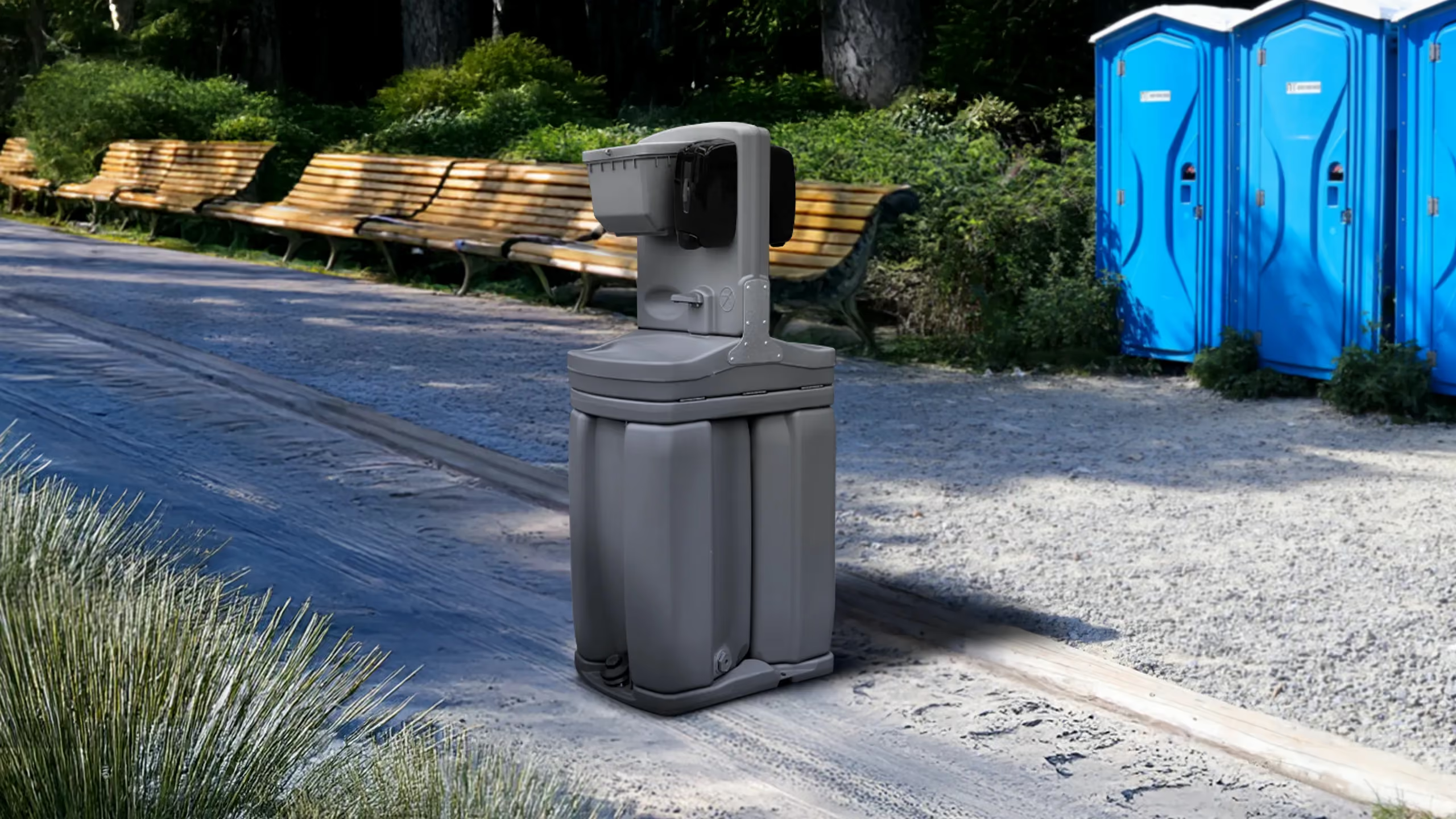
Freestanding single and dual basin units
These are the core units of most fleets. Satellite's Tag 2 and Tag 4 freestanding stations are self-contained, foot operated, and carry integrated soap and towel dispensers. Both fit inside most standard portable restrooms for delivery, so a crew can move a restroom and its sink in one trip. The common user complaint is queuing: one basin backs up fast at shift change or a break. On any site larger than a single crew, a second unit usually solves more than a faster service schedule does.
Freestanding multi-basin units
Two-sided and four-sided units serve several users at once and carry larger tanks, which suits festivals, marathons, large construction projects, military sites, and any other setting that requires industrial hand wash stations. The trade-off is weight: a full multi-basin unit is heavy, so confirm before delivery that its placement can be reached for service. Event clients tend to ask for these first, because throughput at peak, not tank size, decides how long the queue gets.
In-unit stations
In-unit handwash stations mount inside the restroom and use a foot pump or lever to dispense water from an onboard fresh water reservoir. Satellite sizes these stations to specific restroom models, such as the Slimmate 3 for the Tufway. Because the sink sits where users already are, handwashing happens at the point of use, and tight site layouts lose nothing to a separate unit. The catch is shared capacity: greywater drains into the waste tank of the portable restrooms they are fitted to, which shortens service intervals on both.
Sanitizer stations
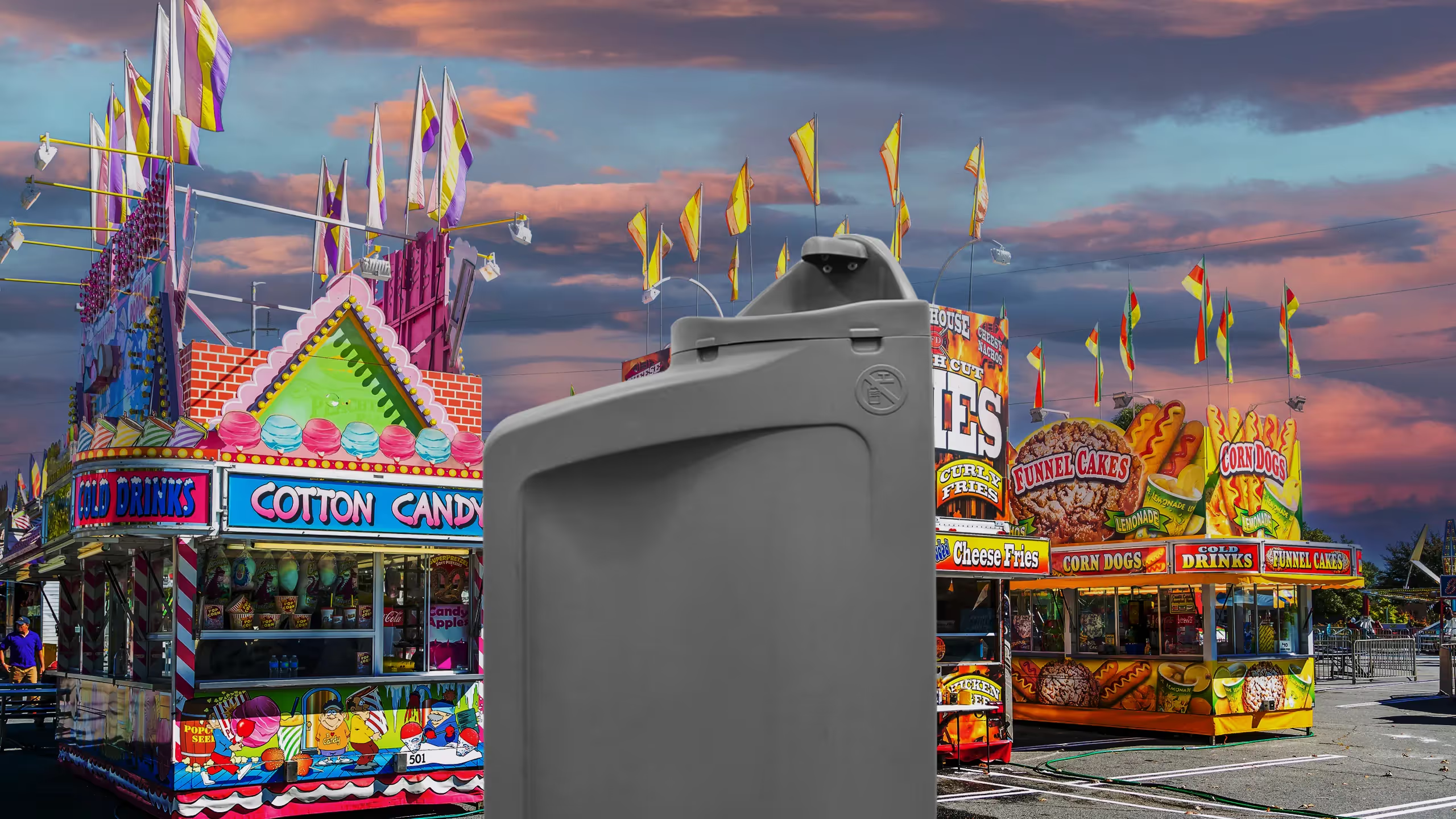
Sanitizer stations, such as Satellite's Handistand, are waterless and hold enough for thousands of uses per fill, which suits entrances, exits, and water-restricted areas. They supplement hand washing stations but do not replace them. CDC guidance notes that hand sanitizer may not work as well on visibly dirty or greasy hands, and that soap and water remove more types of germs and chemicals. Sanitation rules also call for soap and water: OSHA's field sanitation standard defines a handwashing facility as potable water, soap, and single-use towels, and does not accept towelettes as a substitute.
Capacity planning: How many washes hand washing stations actually deliver
The most common sizing mistake is starting from the tank. Start from the job instead: who uses the station, how often, and how long until the next service is needed.
The sizing formula
Work out the washes a station must deliver between services:
Washes needed = Expected users × Washes per person for the setting + Safety margin
On a construction site running full shifts, plan for roughly 4 to 6 washes per worker per day. At an event, plan for 1 to 2 per attendee, rising where food is served. The safety margin covers peak windows and a late service visit.
Satellite product content gives a baseline for a freestanding unit: a 22 gallon fresh water tank paired with a 24 gallon greywater tank, approximately 1,408 pumps per fill, a 30 fluid ounce soap dispenser, and a 1,000 sheet paper towel dispenser. The number of washes per fill depends on how long each user runs the water. Sanitizer units deliver approximately 5,000 uses per fill.
For construction site sanitation, most operators plan from a baseline of one station per 20 employees. That ratio comes from OSHA's agricultural field sanitation standard (29 CFR 1928.110) and from some state plans. The federal construction standard, 29 CFR 1926.51(f), requires adequate washing facilities close to the worksite wherever workers handle paints, coatings, or other harmful contaminants. For the full detail, see our guide to OSHA portable toilet and handwashing requirements.
Worked scenarios
The food booth row works differently from the others. A single vendor's staff will never exhaust a tank, but the FDA Food Code sets the specification regardless of volume, so the heated unit is the requirement. For food service clients without plumbing, see our guide to portable sinks without plumbing. For where to place units and how to schedule service once they are sized, see handwashing stations for construction sites and events.
The greywater rule
The greywater tank must equal or exceed the fresh water tank capacity, or the unit overflows before it runs dry. This is the most common specification mistake operators make. A unit with a larger fresh tank than a grey tank fills its waste side first, spills around the base, and turns a hygiene station into a cleanup job and a possible inspection finding. Check the ratio on every model you stock. To size hand washing stations alongside restroom counts, use the Satellite restroom calculator.
Pump mechanisms: Foot, manual, and electric
The pump decides how hygienic, reliable, and serviceable a station is over a season and there are many factors that play into which one is right for operators:
Foot pumps dominate rental fleets for three reasons: they are fully hands-free, they need no power, and they are mechanically simple, which means fewer failure points across a season of loading, transport, and rough handling.
Satellite Industries freestanding handwash stations are all foot operated. The spigots are vandal-resistant molded designs, and the pedal cutouts are sized for work boots, which matters on jobsites where a pedal too small for a boot gets kicked, stood on, and broken. Electric pumps earn their place in food service and premium settings, but every electrical component is one more thing to charge, protect, and winterize.
Durability, servicing, and winterization of handwashing units
A handwash unit earns back its purchase price over years of rental, so lifecycle matters as much as the spec sheet.
Material: thick-walled, UV-resistant HDPE stands up to a season of transport, sun, and impacts without cracking or fading. Non-porous surfaces also shorten cleaning turnaround between deployments, because there is nothing for residue to soak into.
Replaceable parts: check that pumps, spigots, and dispenser mounts can be replaced individually. A unit that needs a whole new pump assembly for one failed seal costs more to keep in service than its price suggests.
Pre-delivery inspection: test the pump, check the dispensers, and confirm both tanks are sound before a unit leaves the yard. Most service calls come from faults a two-minute check would have caught.
Sanitation between deployments: clean and sanitize every unit before it goes back out. Pump a bleach solution through each pump, and use dedicated cleaning tools for each unit to avoid cross-contamination. The full procedure is in our portable sink maintenance guide.
Winterization: drain the fresh and greywater tanks and the lines completely before freezing weather. On models with a siphon port, use it to empty the fresh tank quickly, which also helps when an event is canceled and a full unit comes back unused.
High-rise access: on multi-story construction sites, one handwash bank at ground level leaves every upper floor without access. The Satellite Industries Handwash Lift Kit solves this. Built from high-strength steel, it hoists Tag 2 and Tag 4 freestanding stations to upper floors even when they are fully loaded with fresh water and greywater, so crews can wash at every level. Pair it with a handwash containment tray, which catches spillage during use and keeps finished floors and inspection-sensitive areas clean.
Compliance: What a correctly stocked handwashing station contains
A correctly stocked handwashing station has all of the following:
- Potable water at adequate capacity for the service interval. All supply water must meet drinking water standards.
- Liquid soap in the unit's dispenser.
- Single-use paper towels in the unit's towel dispenser.
- A waste receptacle for used towels.
- Greywater capacity equal to or greater than the fresh water tank.
- Accessible placement, close to restrooms and work areas and reachable for users of all abilities.
- Visible signage reminding users to wash with soap for 20 seconds, in line with CDC hand hygiene guidance.
A station missing any one of these fails in practice, and usually on inspection. Running out of soap or towels counts the same as running out of water.
Build the Right Handwash Fleet
The right handwash fleet matches the jobs you actually win. A contractor running 20-person crews needs something different from an operator supplying a festival food court, and the difference shows up in tank sizing and service intervals long before it shows up in the purchase price. Explore Satellite Industries portable handwash stations, or talk to our team about the fleet mix that's right for you.
Frequently Asked Questions
How many handwashing stations do I need for a construction site?
Plan for at least one handwashing station per 20 employees. That ratio comes from OSHA's field sanitation standard (1928.110) and some state plans, while federal construction rules (OSHA 1926.51(f)) require adequate washing facilities near the work wherever crews handle harmful contaminants. Treat the ratio as a floor, not a target. Spread-out sites need more stations to keep them within a reasonable walk. See our guide to OSHA portable toilet and handwashing requirements.
How many washes does a portable handwashing station provide?
A freestanding portable handwashing station provides approximately 200-250 washes per fill, depending on the model. Satellite’s TAG 4 has a 22 gallon fresh water tank paired with a 23 gallon greywater tank and approximately 1,408 pumps per fill. The real wash count varies with how long each user runs the water, so busy sites and long washes empty the tank sooner.
What is required in a correctly stocked handwashing station?
A correctly stocked handwashing station needs potable water, liquid soap, single-use paper towels, and a waste receptacle. It also needs a greywater tank at least as large as the fresh water tank, accessible placement near restrooms and work areas, and visible signage reminding users to wash with soap. If any one item runs out, the station fails, so restocking soap and towels matters as much as refilling water.
Does a handwashing station need a greywater tank as big as the fresh water tank?
Yes, the greywater tank must be equal to or larger than the fresh water tank. If it is smaller, the waste side fills before the fresh water runs out, and the unit overflows around its base. It is the most common specification error operators make, and it turns a hygiene station into a cleanup job.
Can hand sanitizer stations replace handwashing stations?
No, hand sanitizer stations supplement handwashing stations but cannot replace them. CDC guidance notes that sanitizer works less well on visibly dirty or greasy hands, which rules it out as the only option on most jobsites. Sanitation rules also call for soap and water: OSHA's field sanitation standard defines a handwashing facility as potable water, soap, and single-use towels. Use sanitizer at entrances and exits, alongside soap and water stations.
Latest from the Satellite Industries Blog
Need Help {Finding the Right Sanitation Solution?}
Satellite Industries is the largest manufacturer of portable restrooms, restroom trailers, restroom trucks, septic trucks, slide-ins, unit haulers, vacuum technology, modular solutions, consumables and deodorizers.