Rest and Refresh: A Guide to Finding Restrooms and Showers
Why Modern Restrooms and Showers Matter More Than Ever
Whether you’re managing a construction site, planning an outdoor event, or operating a rental business, restrooms and showers are essential facilities that can make or break your project’s success. From portable units that serve remote job sites to luxury shower trailers for upscale events, today’s sanitation solutions offer unprecedented flexibility and comfort.
Quick facility finder for restrooms and showers:
- Truck stops & travel plazas – 24/7 access, $10-15 per shower
- Campgrounds & RV parks – Coin-operated, seasonal hours
- Gyms & recreation centers – Day passes, locker room access
- Portable trailer rentals – Custom solutions for events/job sites
- Public directories – Apps like Public Shower Directory for free options
The portable sanitation industry has evolved dramatically. Walk-in showers are increasingly popular in modern bathroom remodels, while modular restroom buildings can feature everything from three shower stalls per side to integrated laundry facilities. Standard shower stall sizes typically range from 32 x 60 to 36 x 60 inches, though custom configurations are available for specialized needs.
As someone who’s spent over 26 years in the portable sanitation industry, I’ve seen how quality restrooms and showers can transform user experiences across construction sites, disaster relief efforts, and premium events. My experience at Satellite Industries has taught me that whether you’re sourcing portable units for your rental fleet or planning facility upgrades, the right sanitation solution combines durability, user comfort, and operational efficiency.

Simple guide to restrooms and showers terms:
Mapping the Modern Landscape of Restrooms and Showers
Today’s sanitation landscape encompasses everything from permanent concrete masonry unit (CMU) block buildings to state-of-the-art portable trailers. We’ve seen the industry evolve to meet diverse needs across construction, events, disaster relief, and recreational facilities.
The most common shower stall sizes are 32 x 60, 36 x 36, and 36 x 60 inches, though there’s no single standard that fits all applications. Modern facilities increasingly feature ADA-compliant designs with low thresholds, grab bars, and folding transfer seats for improved accessibility.
Home & Business Installations of restrooms and showers
Walk-in showers have become a practical, attractive choice for bathrooms large and small. These installations typically feature alcove kits, corner configurations, or spacious walk-in designs. Standard bathtub measurements often fall into categories like 30 x 60, 32 x 60, and 42 x 72 inches, with many homeowners opting to convert tubs to showers for improved accessibility.
Shower-tub combos remain popular for family bathrooms, offering versatility for both bathing and showering needs. The choice between sliding and pivot shower doors depends on space constraints – sliding doors save space by opening on a track, while pivot doors swing outward and work well for smaller openings.
Mobile & Temporary restrooms and showers
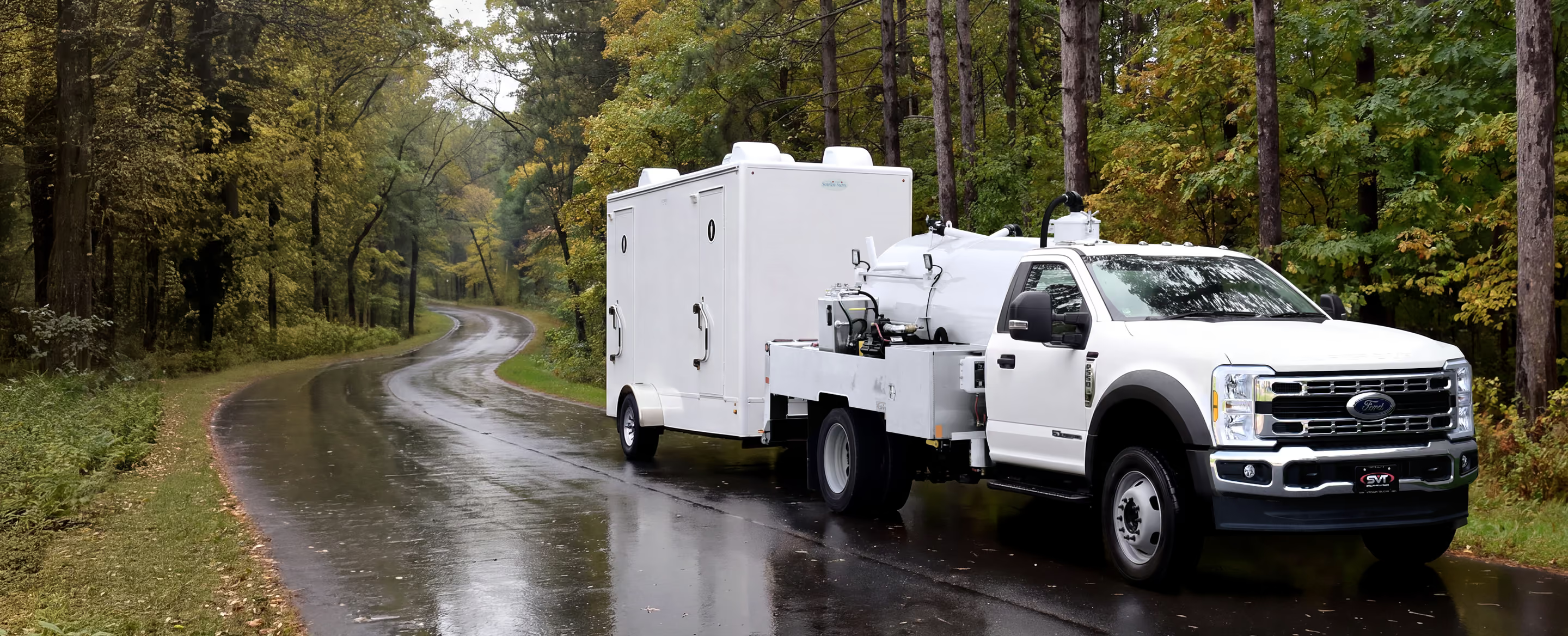
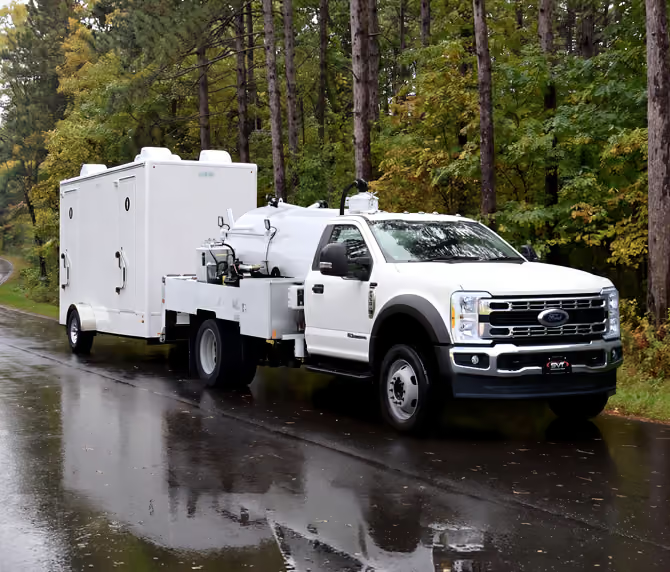
Portable shower trailers have revolutionized temporary sanitation. These units can accommodate anywhere from 3 to 28 stalls, with features like climate control, private changing areas, and tankless propane water heaters providing endless hot water. Multi-user restroom and shower buildings often feature three shower stalls and three toilet stalls on each side, with a central mechanical room for utilities.
For disaster relief and emergency response, mobile units provide critical hygiene services when permanent facilities are unavailable. These trailers can be deployed quickly and offer amenities comparable to permanent installations, including hot and cold running water, mirrors, and electrical outlets.
Public & High-Traffic Solutions featuring restrooms and showers
Campgrounds, truck stops, and recreational facilities serve millions of users annually. These high-traffic locations typically feature coin-operated or token-based systems, with costs ranging from $2.50 to $15 per shower session. Many facilities offer 24-hour access, making them invaluable for travelers and workers on varying schedules.
Beach facilities and state parks often use self-contained modular buildings designed for durability and efficiency. These structures feature separate men’s and women’s facilities, ADA-compliant rooms, and sometimes integrated laundry services or solar power systems.
Top Places to Find Facilities on the Road – A Handy List
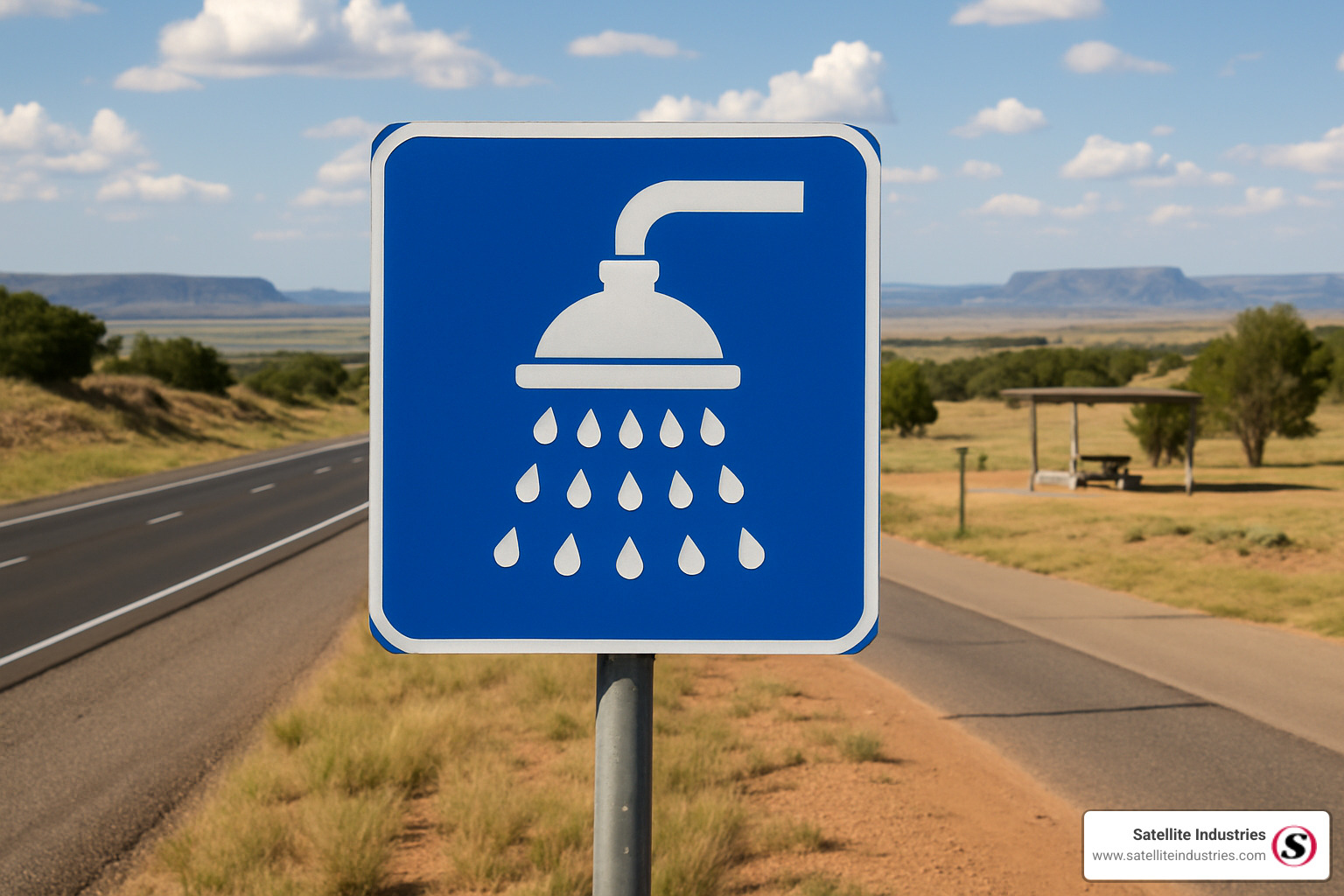
Finding clean, accessible restrooms and showers while traveling doesn’t have to be a challenge. We’ve compiled the most reliable options based on our industry experience and user feedback from across the country.
1. Truck Stops & Travel Plazas
Major truck stop chains offer some of the cleanest, most reliable shower facilities available. These locations typically charge around $12 per shower and provide fresh towels, soap dispensers, and private stalls with toilets and sinks. Many chains like Pilot Flying J and Love’s Travel Stop run loyalty programs that offer shower credits for diesel fuel purchases.
The process is straightforward: go to the counter, request a shower, pay the fee, and wait for your number to be called. There’s typically no hard time limit, though courtesy suggests being mindful if others are waiting. These facilities are cleaned between users and often feature excellent water pressure and endless hot water.
2. Campgrounds & RV Parks Offering restrooms and showers
Campgrounds provide excellent shower options for both registered campers and day visitors. Many facilities allow non-campers to pay a small fee (typically $5-10) for shower access. State parks often use token systems, with tokens available at entrance booths or visitor centers.
Popular options include:
- Camp High Sierra – $8 per person, open 8 AM to 7 PM daily
- Mammoth Mountain RV Park – $10 per person, year-round access
- Reds Meadow Resort – $5 per person, 24-hour token access during peak season
- Whitmore Pool – $2.50 per person, seasonal hours
3. Gyms, Pools & Recreation Centers
Recreation centers, YMCAs, and local pools often sell day passes that include shower access. This option works particularly well for seniors with Silver Sneakers benefits through Medicare, which may provide free access to participating facilities.
Day passes typically range from $5-15 and include access to locker rooms with showers, changing areas, and sometimes towel rental. Many facilities offer clean, well-maintained showers with good water pressure and temperature control.
4. Public Directories & Apps
The Public Shower Directory provides a comprehensive database of free and low-cost shower facilities across the United States. This crowd-sourced resource helps travelers, truck drivers, and those experiencing homelessness locate nearby facilities.
The directory organizes listings by state, with Texas leading at 154 facilities, followed by California with 108, and Ohio with 64. Many locations are free, while others charge minimal fees for maintenance and utilities.
5. Portable Trailer Rentals for Events & Jobsites
For event planners and construction managers, portable shower trailers offer customizable solutions. These units range from single-stall trailers to 28-stall configurations with full locker room amenities. Features can include:
- Climate-controlled interiors
- Private changing areas with benches and hooks
- Stainless steel flooring for durability
- Tankless propane water heaters
- Separate gender-specific entrances
Our experience shows that proper planning for shower facilities can significantly impact worker satisfaction and event success. A 16-stall trailer can serve large crews or festival attendees, while smaller 3-stall units work well for intimate events or smaller job sites.
How to Choose the Right Restroom or Shower Facility

Selecting the right facility depends on several key factors: capacity requirements, accessibility needs, duration of use, and budget constraints. We’ve found that taking time to assess these factors upfront prevents costly changes later.
Assessing Size, Capacity & Layout
User volume determines the number of stalls needed. As a general rule, plan for one shower stall per 15-20 regular users for construction sites, or one per 25-30 attendees for events with shorter duration needs. Multi-user buildings often feature a central mechanical room running the full length of the structure, providing easy utility access and maintenance.
Queue flow matters significantly in high-traffic situations. Facilities with separate entrances for different user groups, adequate waiting areas, and clear signage help prevent bottlenecks during peak usage times.
Accessibility & Safety in restrooms and showers
ADA compliance isn’t just legally required – it’s essential for user safety and comfort. Key features include:
- Low thresholds (maximum 1/2 inch) for easy entry
- Grab bars positioned at appropriate heights
- Folding transfer seats for wheelchair users
- Non-slip flooring throughout
- Adequate space for wheelchair maneuvering
According to CDC research on bathroom injuries, 81% of bathroom injuries result from falls, making proper safety features critical in any facility design.
Materials & Features That Last
Durability directly impacts long-term costs and user satisfaction. We recommend:
- CMU block construction for permanent installations – offers superior durability for public facilities
- Stainless steel flooring in portable units – resists corrosion and simplifies cleaning
- Tankless water heaters – provide endless hot water without storage tank maintenance
- Anti-slip surfaces – reduce liability and improve user confidence
Quality materials may cost more initially but significantly reduce maintenance and replacement costs over time.
Sustainability & Water Savings
Modern restrooms and showers increasingly incorporate water-saving features:
- Low-flow fixtures that maintain pressure while reducing consumption
- Recirculation systems that filter and reuse shower water
- Solar-assisted water heating for reduced energy costs
- Greywater collection systems for irrigation use
These features not only reduce environmental impact but can significantly lower operational costs, especially for high-volume facilities.
Maintenance, Hygiene & Etiquette Essentials

Proper maintenance ensures facilities remain safe, clean, and functional throughout their service life. We’ve developed comprehensive protocols based on decades of industry experience.
Keeping Facilities Fresh
Daily sanitizing prevents odor buildup and maintains user confidence. Key practices include:
- Scheduled cleaning during off-peak hours to minimize disruption
- Ventilation systems that prevent moisture buildup and mold growth
- Antimicrobial treatments on high-touch surfaces
- Regular inspection of plumbing, electrical, and structural components
For portable units, we recommend cleaning between users when possible, or at minimum twice daily for high-traffic installations.
User Tips for Shared restrooms and showers
Experienced travelers and workers have developed practical strategies for using shared facilities:
- Always wear shower shoes – protect feet from bacteria, fungi, and slippery surfaces
- Use mesh caddies – allow toiletries to drain and dry quickly, preventing mildew
- Bring antimicrobial mats – provide clean surface and reduce slip risk
- Time visits strategically – avoid peak hours when facilities are crowded
- Keep dry items away from spray zones – use hooks or stools to protect towels and clothing
Operator Checklist for Portable Units
Regular maintenance prevents costly repairs and ensures user satisfaction:
- Weekly pump-outs for waste tanks, more frequently for high-use units
- Winterization procedures in cold climates to prevent freeze damage
- Supply stock monitoring – soap, paper products, hand sanitizer
- Mechanical system checks – water heaters, pumps, electrical connections
- Structural inspections – doors, locks, flooring, ventilation
Frequently Asked Questions about Restrooms and Showers
What are the standard sizes for common shower stalls?
The most common shower stall sizes are 32 x 60, 36 x 36, and 36 x 60 inches. However, there’s no single universal standard. When measuring for replacement, check height, width, and depth in multiple places, as older installations may not be perfectly square. Standard bathtub measurements typically include 30 x 60, 32 x 60, and 42 x 72 inches.
Walk-in shower vs. tub combo—what are the pros and cons?
Walk-in showers offer:
- Pros: Easier accessibility, modern appearance, space efficiency, easier cleaning
- Cons: No bathing option, potential resale impact in family homes
Tub combos provide:
- Pros: Versatility for bathing and showering, family-friendly, traditional appeal
- Cons: Higher step-in height, more cleaning surfaces, space requirements
The choice depends on user needs, available space, and intended use. Walk-in showers work well for adult-focused facilities, while tub combos better serve family environments.
How can I locate an ADA-compliant portable unit quickly?
Most reputable portable sanitation providers offer ADA-compliant units as standard options. Look for features like:
- Low or no-threshold entry
- Interior space for wheelchair maneuvering
- Grab bars at appropriate heights
- Accessible sink and mirror heights
- Non-slip flooring throughout
When ordering, specifically request ADA compliance and verify that the unit meets current accessibility standards for your location and application.
Conclusion

Finding the right restrooms and showers for your needs doesn’t have to be complicated. Whether you’re sourcing portable units for your rental fleet, planning an event, or managing a construction project, understanding the available options helps you make informed decisions that satisfy users and meet budget requirements.
The portable sanitation industry continues evolving, with innovations in water conservation, accessibility features, and user comfort. From basic portable restrooms to luxury shower trailers with full amenities, today’s solutions can meet virtually any requirement.
At Satellite Industries, our engineering expertise ensures every portable unit delivers durability, user-friendliness, and operational efficiency. With manufacturing facilities and distribution networks across Africa, Americas, Australia, New Zealand, East Asia, South Asia, Europe, and the Middle East, we understand the diverse needs of the global portable sanitation market.
For rental operators and distributors, choosing quality equipment from established manufacturers protects your investment and ensures customer satisfaction. Our advanced engineering approach focuses on features that matter most: reliable operation, easy maintenance, and positive user experiences.
More info about our sanitation expertise – find how our innovative solutions can improve your portable sanitation offerings and keep your customers coming back for quality service.
Latest from the Satellite Industries Blog
Need Help {Finding the Right Sanitation Solution?}
Satellite Industries is the largest manufacturer of portable restrooms, restroom trailers, restroom trucks, septic trucks, slide-ins, unit haulers, vacuum technology, modular solutions, consumables and deodorizers.