
Understanding Wastewater Transport & Disposal Regulations in Portable Sanitation
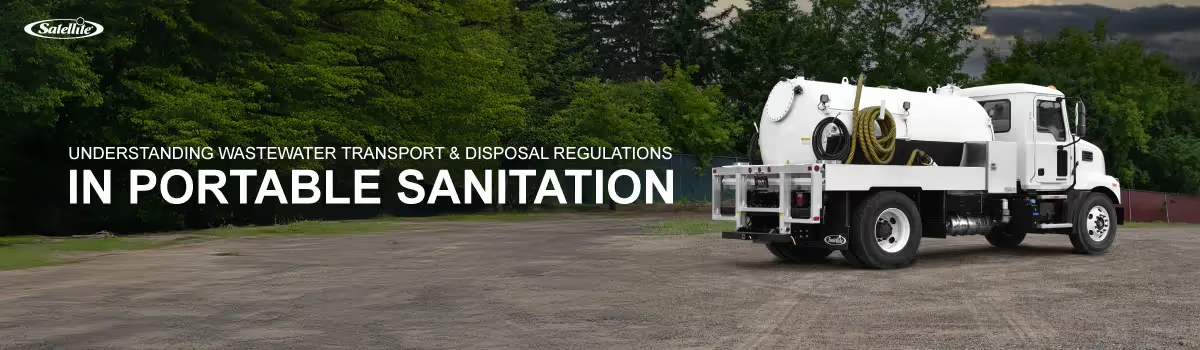
In the portable sanitation industry, wastewater doesn’t simply disappear after a service call, it moves through a regulated chain of custody from collection to final disposal. Because wastewater handling directly impacts public health, environmental protection, and business liability, compliance is a core part of daily operations and long-term success.
Why Regulations Matter
Portable sanitation wastewater contains human waste, chemicals, and bacteria that pose serious risks if mismanaged. Regulations exist to protect communities and natural resources while ensuring accountability across the industry.
- Prevent contamination of soil, groundwater, and surface water
- Reduce the risk of spills and illegal dumping
- Protect drinking water sources and public health
- Limit financial, legal, and reputational risk for operators
- Maintain eligibility for municipal, government, and commercial contracts
The Regulatory Framework
Federal standards established by the Environmental Protection Agency under the Clean Water Act provide the foundation for wastewater handling. Most practical requirements, however, are enforced at the state and local levels.
- Federal environmental protections and discharge standards
- State environmental or health department oversight
- County and municipal wastewater authority requirements
- Local treatment plant rules for dumping and documentation
- Permits, inspections, and reporting tied to jurisdiction
Transporting Wastewater Safely
Transporting wastewater involves strict equipment and operational standards designed to minimize environmental and safety risks.
- Properly licensed and permitted vacuum trucks
- Leak-proof tanks, valves, and hoses
- Spill-prevention and secondary containment measures: Satellite Spill Kits
- Clearly labeled vehicles where required
- Driver training in safe handling and spill response
- Routine vehicle inspections and maintenance
Disposal at Approved Facilities
Wastewater must always be discharged at authorized locations that are permitted to accept portable sanitation waste.
- Municipal wastewater treatment plants or licensed private facilities: Search: “[Your State] wastewater hauling regulations” or “[Your State] septage disposal requirements”
- Designated dumping hours and access rules
- Volume limits per load or per day
- Pretreatment or screening requirements
- Disposal fees and facility-specific procedures
- Dump tickets or signed disposal confirmations
Documentation & Recordkeeping
Accurate records establish accountability and protect businesses during audits, inspections, or disputes.
- Disposal manifests or dump tickets
- Service logs tied to specific units or job sites
- Truck inspection and maintenance records
- Active transport and disposal permits
- Driver training and certification documentation
Best Practices for Ongoing Compliance
Successful operators build compliance into everyday workflows rather than treating it as an afterthought.
- Use only permitted dump locations
- Keep spill-response kits and PPE on every truck: Satellite Spill Kits and PPE
- Train drivers and technicians regularly
- Maintain detailed service and disposal records: Service Decals
- Schedule preventive maintenance and inspections
- Review compliance procedures with staff
Staying Ahead of Compliance
Regulations vary by state, county, and city, and they change over time. Proactive operators stay prepared by:
- Building strong relationships with local treatment plants
- Reviewing permits and licenses annually
- Monitoring regulatory updates in service areas
- Participating in industry associations and training programs
- Creating internal compliance checklists and SOPs
In portable sanitation, wastewater transport and disposal are more than a routine task; it’s a regulated responsibility. Understanding and following these requirements protects communities and waterways while strengthening trust with regulators, disposal partners, and customers.
Here are products that can help boost your Waste Treatment:
https://www.satelliteindustries.com/deodorizers/water-treatment-products
Latest from the Satellite Industries Blog
Need Help {Finding the Right Sanitation Solution?}
Satellite Industries is the largest manufacturer of portable restrooms, restroom trailers, restroom trucks, septic trucks, slide-ins, unit haulers, vacuum technology, modular solutions, consumables and deodorizers.
.webp)
.webp)