Wall-Hung Wonders: The Benefits of Elevating Your Toilet
Why Wall-Hung Toilets Are Changing Modern Bathrooms
Wall-hung toilet benefits include significant space savings, easier cleaning, customizable height, and a sleek modern aesthetic that’s driving adoption across residential and commercial projects. These floating fixtures can save up to 12 inches of floor space while offering adjustable installation heights between 15-19 inches to meet ADA compliance standards.
Key Wall-Hung Toilet Benefits:
– Space Efficiency: Save 10-12 inches of floor depth compared to traditional toilets
– Improved Hygiene: Floor clearance allows easy mopping and reduces bacterial buildup
– Custom Height: Adjustable from 15-19 inches for accessibility and comfort
– Modern Design: Concealed tank creates clean, minimalist bathroom aesthetics
– Durability: Support up to 880 pounds when properly installed
– Code Compliance: Help meet 21-inch clearance requirements in tight spaces
As one architect noted in our research: “Despite their modern look, wall-hung toilets may appear too utilitarian or boxy for some tastes. The aesthetic benefits often outweigh the higher cost in small or challenging bathroom layouts.”
The flush toilet has been around for more than two centuries, but wall-hung models represent a significant evolution in bathroom design. Originally popular in Europe, these space-saving fixtures are gaining traction in North American markets as builders and facility managers find their practical advantages.
I’m Michelle Amelse, Vice President of Marketing and Customer Success at Satellite Industries, with over 26 years of experience in the sanitation industry helping distributors understand innovative solutions like wall-hung toilet benefits for their commercial and residential clients. My background in strategic marketing and manufacturing gives me unique insight into how these modern fixtures can improve your product offerings and meet evolving customer demands.
What Makes a Wall-Hung Toilet Different?
Picture walking into a bathroom where the toilet seems to float effortlessly above the floor. That’s the magic of a wall-hung toilet system, and it’s completely different from anything you’ve probably installed before.
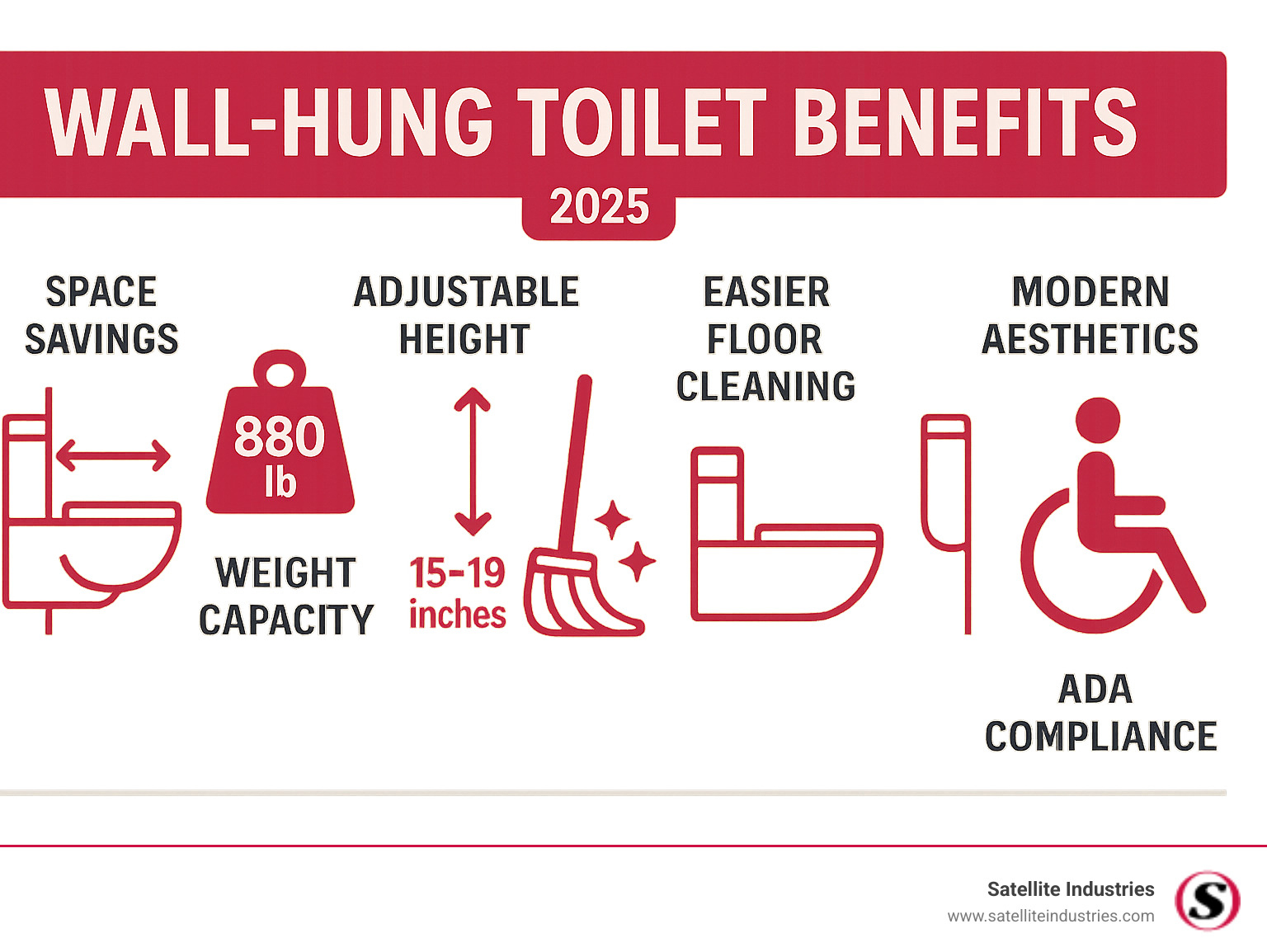
The wall-hung toilet benefits start with the engineering. Instead of sitting on the floor like traditional toilets, these units mount directly to your wall with everything hidden behind the drywall. The toilet bowl literally floats in mid-air, creating an incredibly clean and open look that your customers will love.
Here’s what makes this possible: a heavy-duty steel or cast-iron carrier frame does all the heavy lifting. This frame anchors deep into your wall studs and floor joists, creating a rock-solid foundation that can handle between 500 to 880 pounds of weight. That’s more than enough for any user, plus it meets commercial-grade standards.
The concealed cistern sits inside this frame, completely hidden from view. You can adjust the entire system during installation to hit any height between 15 to 19 inches, which is perfect when you’re dealing with ADA compliance projects or customers who need custom accessibility features.
One of the biggest practical advantages? Floor clearance. Most building codes require at least 21 inches of clearance in front of toilets, and wall-hung models make hitting this requirement much easier in tight spaces. You’ll save your customers up to 12 inches of floor depth compared to standard toilets.
FeatureWall-HungFloor-MountedFloor Depth25-27 inches from wall28-32 inches from wallWeight Capacity500-880 lbs1,000+ lbsHeight Adjustability15-19 inches (custom)Fixed at 15-17 inchesFloor ContactNoneFull base contactTank AccessWall panelDirect access
Anatomy of the System
Let’s break down what you’re actually installing. The carrier frame is your foundation – think of it as the skeleton that holds everything together. Most frames use steel or cast iron construction and mount securely between your wall studs while connecting to floor joists for maximum stability.
Inside this frame sits a lightweight plastic or foam tank that’s been thoroughly leak-tested during manufacturing. These tanks are designed to last decades without issues, even in high-use commercial settings.
The flush plate is your customer’s main interaction point, but it’s also your maintenance access point. Simply remove this plate and you have full access to the concealed cistern for any adjustments or repairs. It’s actually more accessible than you might think.
Your waste outlet routes below the frame while water supply lines connect above the tank. This requires some coordination between your plumbing and framing work, but the stud wall requirements are pretty flexible – both 2×4 and 2×6 walls work fine, as long as you have at least 10 inches of wall thickness to house everything properly.
How It Differs from Floor-Mounted Units
The biggest difference is obvious – no pedestal touching the floor. But this creates a cascade of practical benefits that your customers will appreciate daily.
Traditional toilets anchor to the floor with closet bolts and rely on wax rings for sealing. Wall-hung units eliminate all those floor connections, routing everything through the wall cavity instead. This means hidden plumbing throughout the entire system.
This design gives you incredible flexible layout options. Without a fixed floor drain location, you can position wall-hung toilets anywhere along a plumbing wall. This is a game-changer for retrofit projects where moving floor drains would cost a fortune.
Here’s a bonus your customers might not expect: the concealed tank actually provides acoustic benefits. Research shows that hiding the cistern behind insulated wall cavities can reduce flushing noise by up to 30% compared to exposed ceramic tanks. Your customers will notice the difference, especially in apartments or offices where noise matters.
Top 10 Wall-Hung Toilet Benefits
When you’re helping customers choose the right fixtures for their projects, understanding the full range of wall-hung toilet benefits can make all the difference. These modern fixtures solve real problems that traditional toilets can’t address, making them increasingly popular in both residential and commercial applications.
The change can be dramatic. We’ve seen tiny powder rooms that felt cramped and cluttered suddenly appear spacious and neat after switching to wall-hung fixtures. It’s not magic – it’s smart engineering that maximizes every inch of available space.
Space Saving: Core Wall-Hung Toilet Benefits
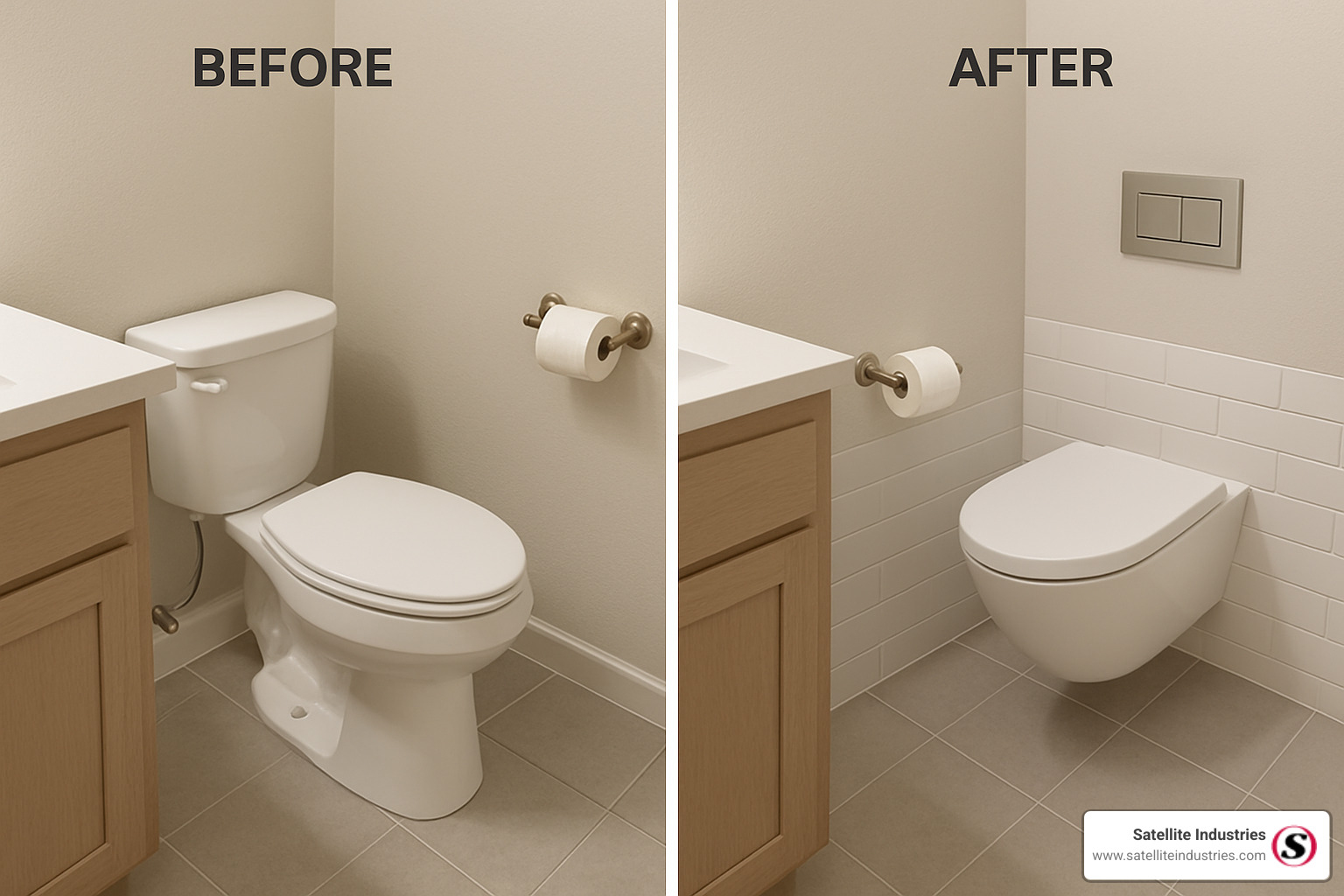
The space-saving benefits go far beyond just measurements on a floor plan. Yes, you’ll gain 10-12 inches of floor depth by eliminating the traditional tank, but the visual impact is even more impressive. That floating bowl creates an optical illusion that makes small bathrooms feel significantly larger.
Your customers in urban apartments and condos will especially appreciate this advantage. When every square foot costs premium dollars, that extra floor space translates to real value. The uninterrupted sight lines across the bathroom floor make the entire space feel more open and less cluttered.
Meeting building codes becomes easier too. Those 21-inch clearance requirements that can be challenging in tight spaces? Wall-hung toilets help you achieve compliance while still maximizing the usable area.
Hygiene & Cleaning Wall-Hung Toilet Benefits
Here’s where facility managers and homeowners really get excited about wall-hung toilet benefits. No base touching the floor means cleaning becomes a breeze. Maintenance staff can mop the entire floor without navigating around a toilet pedestal, cutting cleaning time by up to 30%.
The engineering improvements don’t stop there. Many modern wall-hung models feature rimless bowl designs that eliminate those hidden crevices where bacteria love to hide. Wall-hung toilets with special coatings resist stains and germs, making maintenance even simpler.
You’ll also eliminate one of the most common toilet problems – that discolored caulk around the base that harbors bacteria and looks terrible over time. Wall-hung installations avoid this issue completely since there’s no floor connection to seal.
Custom Height & Accessibility
The height flexibility of wall-hung toilets opens up possibilities that fixed-height models simply can’t match. While standard toilets are stuck at 15-17 inches, wall-hung units adjust anywhere from 15-19 inches during installation.
This customization proves invaluable for ADA compliance projects. Those “comfort height” requirements of 17-19 inches for accessible fixtures? Easy to achieve with wall-hung models while maintaining a consistent, attractive design throughout the facility.
Families with diverse needs particularly benefit from this flexibility. Whether you’re accommodating children, seniors, or individuals with mobility challenges, the right height adjustment makes a real difference in comfort and usability.
Design Freedom & Aesthetics
The clean, minimalist look of wall-hung toilets perfectly matches today’s design trends. That concealed tank eliminates visual clutter while creating the uninterrupted lines that modern bathrooms demand. The floating appearance pairs beautifully with other wall-mounted fixtures like floating vanities.
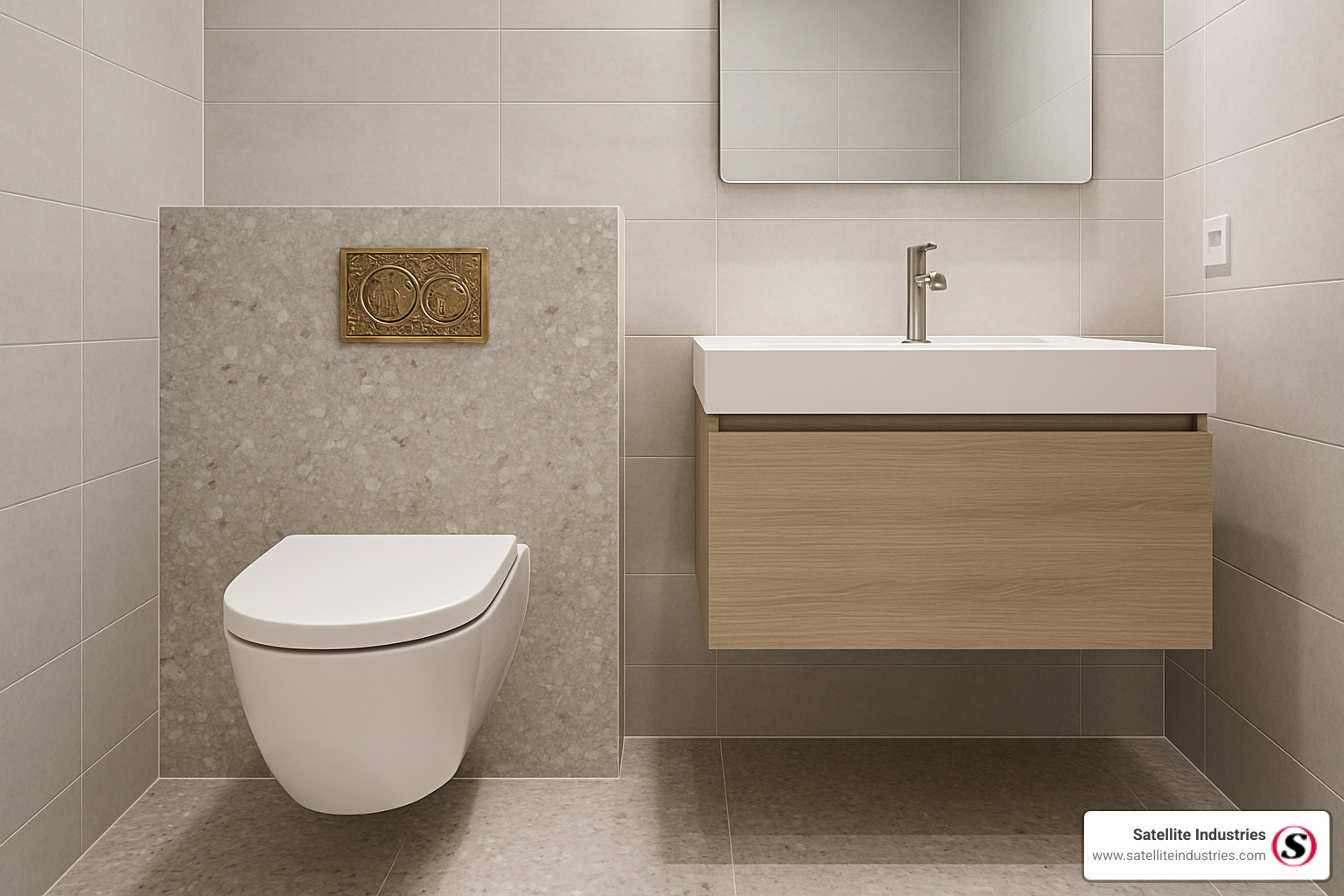
The flush plate becomes a design element itself, available in materials and finishes that complement any bathroom aesthetic. From sleek stainless steel to warm wood tones, these plates can serve as subtle accent pieces that tie the entire design together.
Floor and wall patterns flow uninterrupted around the floating fixture, allowing designers to create dramatic tile layouts that would be broken by traditional toilet pedestals. This design freedom has made wall-hung toilets especially popular in high-end projects.
Eco & Quiet Performance
Modern wall-hung toilets incorporate impressive water-saving technology. Dual-flush mechanisms use as little as 1.28 gallons per flush for liquid waste, easily meeting EPA WaterSense standards. The concealed tank design allows for better insulation, reducing condensation problems in humid climates.
The acoustic benefits of that concealed tank shouldn’t be overlooked either. The wall cavity provides natural sound dampening, making these toilets noticeably quieter than traditional models. This feature becomes particularly valuable in multi-family housing or commercial applications where noise between units matters.
These performance improvements help your customers save money on water bills while creating more comfortable, quieter environments. It’s the kind of long-term value that justifies the initial investment in quality fixtures.
Potential Drawbacks & How to Overcome Them
Let’s be honest – if wall-hung toilet benefits came without any challenges, every bathroom would already have one. The reality is that these modern fixtures require a bigger upfront investment and more careful planning than traditional toilets. But here’s the good news: most of these problems are easily manageable with the right approach.
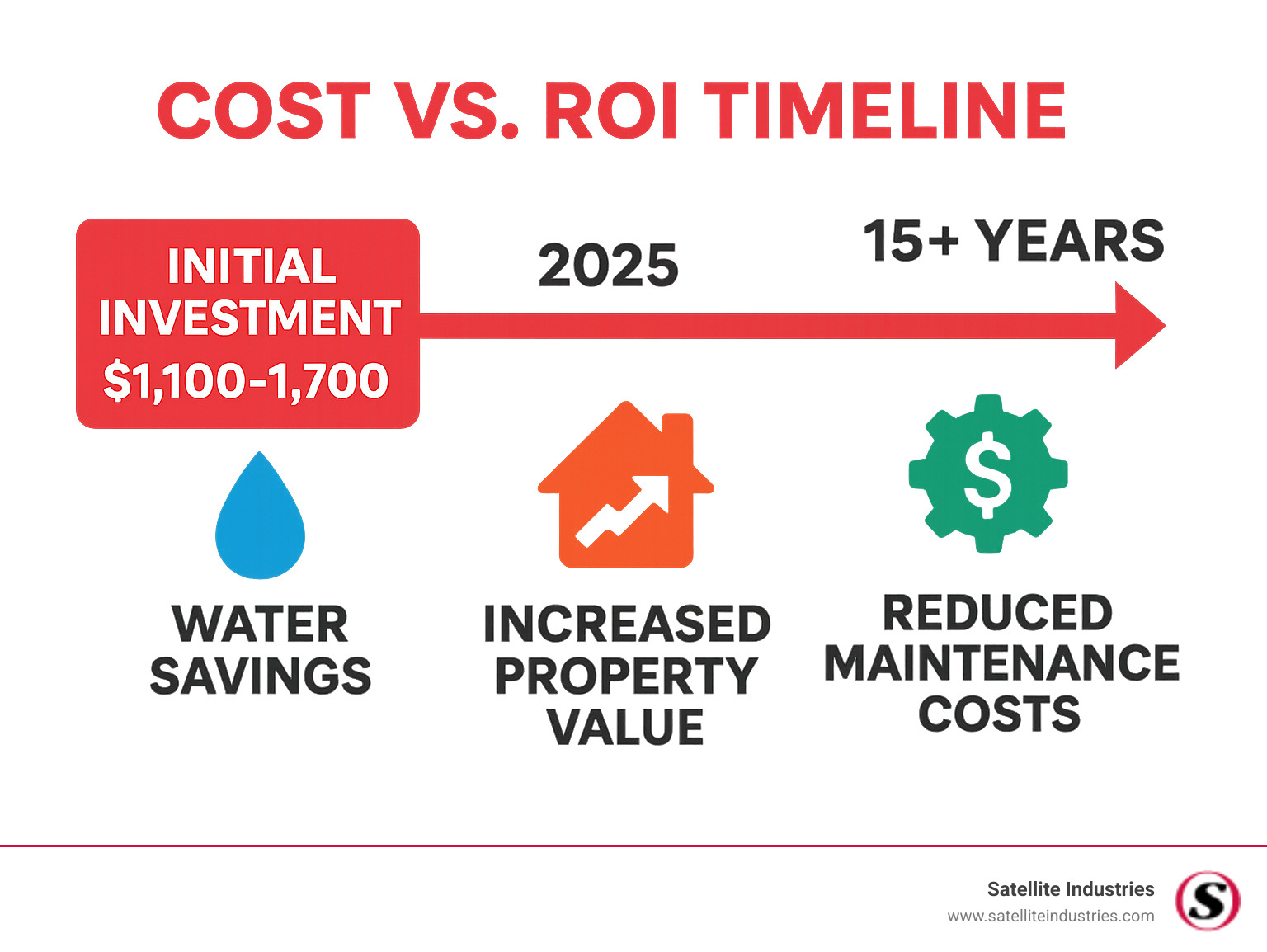
The main challenges you’ll encounter are higher upfront costs, structural reinforcement requirements, concealed repair access, weight capacity considerations, and the need for professional installation. Each of these can be addressed with proper planning and realistic customer expectations.
Think of it like buying a quality truck versus a basic model. Yes, you pay more initially, but the long-term benefits often justify the investment. The key is helping your customers understand what they’re getting for that extra money.
Budgeting & ROI
The sticker shock is real. Wall-hung toilet fixtures typically start around $600 and can climb past $1,000 for premium models. Add installation costs of $500-1,000+ depending on how much plumbing needs to be rerouted, and you’re looking at a total investment that’s roughly double a standard toilet installation.
But here’s where the math gets interesting. The water savings from efficient dual-flush systems start paying dividends immediately. In commercial settings, the easier cleaning and maintenance can significantly reduce labor costs over time. Facility managers often tell us they wish they’d made the switch sooner once they see how much time their cleaning crews save.
The long-term value proposition is particularly strong in urban markets where space commands premium pricing. Real estate professionals report that modern, space-efficient bathrooms can boost property values well beyond the initial fixture investment.
For distributors, the higher price point means better profit margins compared to standard toilet sales. Plus, the specialized installation requirements create opportunities for additional service revenue and deeper customer relationships. It’s not just a product sale – it’s a complete solution.
Access & Maintenance Solutions
“What happens when something breaks?” This is usually the first question customers ask, and it’s completely understandable. The idea of tearing into a wall to fix a toilet sounds like a nightmare. Fortunately, modern wall-hung systems are designed with maintenance in mind.
The flush-plate panel is your gateway to most repairs. It typically lifts off or unscrews to reveal the concealed cistern and all its components. Adjusting fill valves, replacing seals, and checking connections can all be done through this access point without touching the drywall.
Smart installers plan for the future by including service valves and larger access panels in adjacent rooms or closets during initial installation. This forward thinking eliminates future headaches and keeps repair costs reasonable.
We recommend establishing an annual inspection checklist with your customers. A quick yearly check of seals, adjustments, and connections prevents most major issues. It’s also a great opportunity to maintain customer relationships and identify additional service opportunities.
Spare parts stocking becomes more important with wall-hung systems since repairs can’t wait for standard shipping. Having common replacement parts readily available sets you apart from competitors and keeps customers happy when issues arise.
Installation & Maintenance Tips for Distributors
For distributors entering the wall-hung toilet market, understanding the technical requirements can make the difference between profitable installations and costly callbacks. The engineering behind these systems is straightforward once you grasp the fundamentals, and the wall-hung toilet benefits for your customers make the learning curve worthwhile.
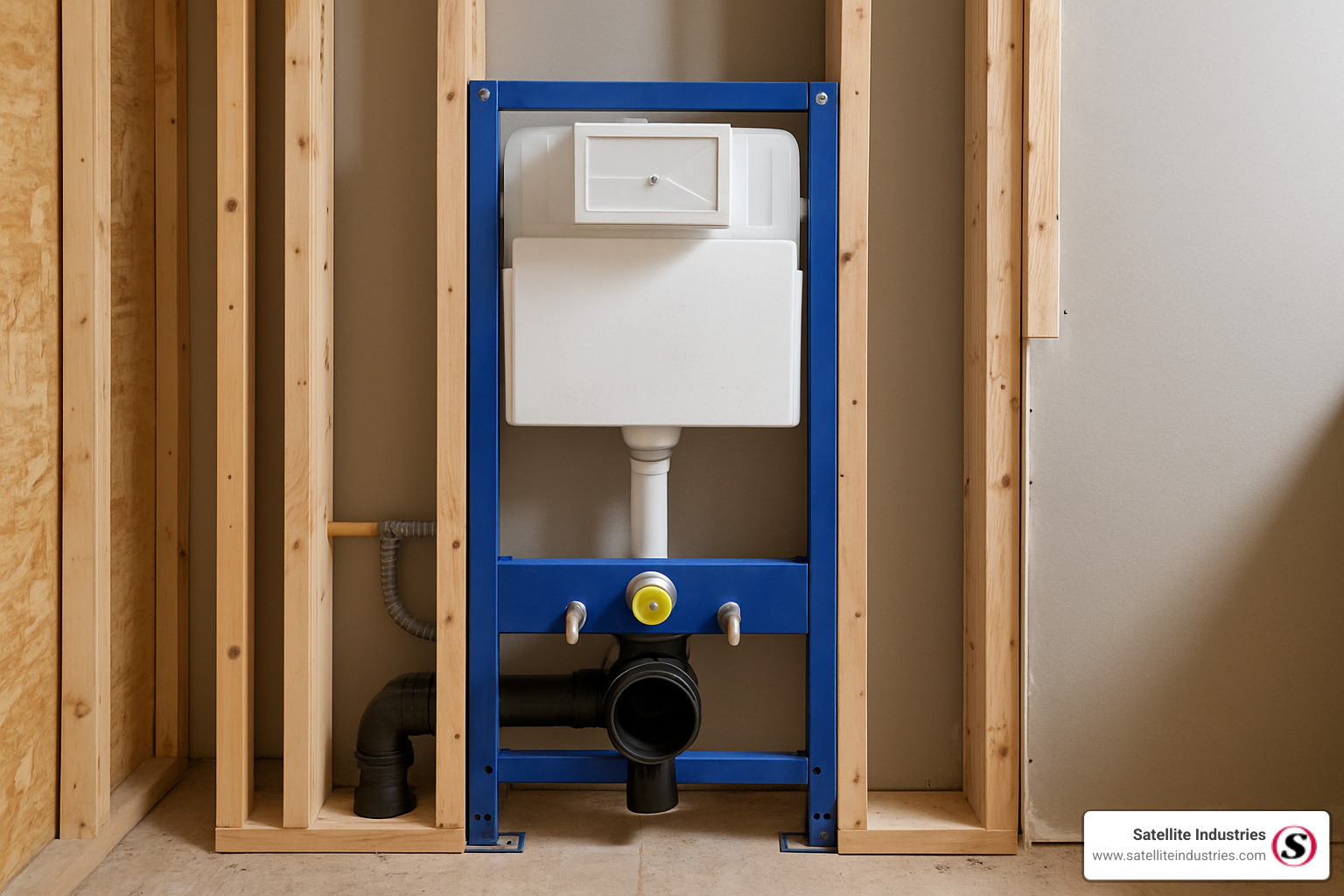
Carrier frame selection depends heavily on your wall construction. Standard 2×4 stud walls work fine for most residential applications, but you’ll need to verify the wall depth can accommodate the concealed tank. Some installations benefit from 2×6 construction, which provides more room for plumbing and easier access to supply lines.
Load testing during installation isn’t optional—it’s essential. These systems must support between 500-880 pounds depending on the model, and that rating only applies when properly installed. We’ve seen too many warranty claims that could have been avoided with proper load verification during the initial setup.
Wall bracing becomes critical in retrofit situations. Older buildings often have stud spacing that doesn’t align with modern carrier frames, requiring additional blocking or reinforcement. This is especially true in commercial applications where building codes may have changed since the original construction.
Supply line routing requires coordination between your plumbing and framing teams. The concealed tank needs both water supply and electrical connections for some flush mechanisms. Planning these routes during the rough-in phase prevents headaches later when drywall is in place.
Developing an annual inspection checklist for your commercial accounts creates ongoing service opportunities while preventing major problems. Regular maintenance visits build customer relationships and demonstrate the long-term value of choosing your company for their sanitation equipment needs.
Retrofit vs New Build
New construction projects offer the cleanest path to wall-hung toilet installation. Your plumbing contractor can design the waste and supply lines specifically for wall-mounted systems, and structural requirements integrate seamlessly into the framing plan. The coordination between trades is simpler when everyone understands the requirements from day one.
Retrofit installations require more detective work and creative problem-solving. Existing plumbing rarely aligns perfectly with wall-hung toilet requirements, particularly in slab-on-grade construction where waste lines run through concrete floors. Moving these lines to wall cavities often requires significant cutting and patching.
Joist floor construction makes retrofit work more manageable. Running new waste lines up through wall cavities is typically straightforward, and supply line modifications are usually minor. The key is thorough planning before you start cutting into walls.
Timeline planning becomes your best friend in retrofit projects. Wall modifications must happen before plumbing rough-in, which must be complete before drywall installation. Missing any step in this sequence can add weeks to your project schedule and strain customer relationships.
Maintenance Cheat-Sheet
Training your service teams on wall-hung toilet maintenance builds confidence and reduces callback costs. The good news is that most maintenance tasks are actually easier than traditional toilet repairs once your technicians understand the system layout.
Removing the flush plate provides access to everything important. Most plates simply lift off or unscrew without special tools—much easier than wrestling with a heavy ceramic tank lid. Adjusting the fill valve works exactly like traditional toilets, just accessed from the front instead of the top.
Replacing seals and flappers uses standard toilet repair components in most systems. Your existing parts inventory probably covers 80% of common repairs. Checking mounting bolts annually takes just a few minutes but prevents the expensive problems that occur when fixtures work loose over time.
Stocking spare parts specifically for wall-hung systems pays dividends in customer satisfaction. Keep common flush mechanisms, seals, and mounting hardware in your service vehicles. Being able to complete repairs on the first visit builds customer loyalty and improves your profit margins.
This proactive maintenance approach keeps systems running smoothly while demonstrating ongoing value from your service relationship. Customers appreciate the expertise, and you benefit from predictable service revenue that complements your equipment sales.
Frequently Asked Questions about Wall-Hung Toilets
As distributors, you’ll likely encounter some common concerns when customers first consider wall-hung toilets. These questions come up repeatedly, so having clear, confident answers helps build trust and move sales forward.
How strong are wall-hung toilets?
This is probably the most frequent concern we hear. It’s understandable – seeing a toilet “floating” on the wall can make anyone wonder about structural integrity. The good news is that wall-hung toilet benefits include impressive strength when properly installed.
Most wall-hung toilets are engineered to support 500 pounds, with heavy-duty systems handling up to 880 pounds. That’s actually stronger than many people expect. The secret lies in the carrier frame system – those steel or cast-iron frames distribute weight across multiple wall studs and floor connections, creating a rock-solid foundation.
Think of it this way: the weight isn’t just hanging on a couple of screws in drywall. The entire load transfers through a robust frame that’s anchored deep into the building’s structure. When installed to manufacturer specifications by qualified professionals, these systems often outlast traditional floor-mounted toilets.
The key phrase here is “properly installed.” This isn’t a DIY project, and cutting corners on installation will cause problems down the road. But when done right, you can confidently tell customers these fixtures will serve them reliably for decades.
Are they suitable for small or remodel bathrooms?
Absolutely – this is where wall-hung toilets really shine. The space savings of 10-12 inches can transform a cramped bathroom into a comfortable space. We’ve seen tiny powder rooms that felt claustrophobic suddenly become welcoming after switching to wall-hung fixtures.
For remodel projects, wall-hung toilets solve layout puzzles that seem impossible with traditional fixtures. Since you’re not tied to the existing floor drain location, you can position the toilet anywhere along a plumbing wall. This flexibility often means the difference between a successful remodel and starting over with the layout.
The visual impact surprises everyone. That floating bowl and clear floor area create an illusion of expanded space that makes even modest bathrooms feel larger. Customers consistently tell us they can’t believe how much bigger their bathroom looks after the installation.
Urban apartments and older homes with challenging layouts particularly benefit from this flexibility. When every square foot counts, those extra inches of floor space and visual openness deliver real value.
Do hidden tanks make repairs harder?
This concern makes sense – we’re all used to lifting the lid off a toilet tank when something goes wrong. But modern wall-hung systems are actually designed with maintenance in mind, not as an afterthought.
The flush plate provides direct access to everything you need for routine maintenance. Most plates simply lift off or unscrew without any tools. Once removed, you have full access to fill valves, flappers, and adjustment mechanisms. The common repairs take no longer than servicing a traditional toilet.
For more extensive work, smart installers plan access panels during the original installation. These can go in adjacent rooms, closets, or even as decorative panels that blend into the bathroom design. Even without dedicated panels, major repairs typically require removing only a small drywall section that’s easily patched and refinished.
The reality is that modern wall-hung toilets are quite reliable. The concealed tanks use proven technology – they’re essentially the same components as traditional toilets, just housed differently. Most service calls involve simple adjustments that take minutes through the flush plate opening.
Your service teams will find these systems straightforward once they understand the basics. The key is proper training and keeping common repair parts in inventory, just like you would for any other fixture line.
Conclusion
Modern bathrooms are evolving, and wall-hung toilet benefits put distributors at the forefront of this exciting change. These floating fixtures aren’t just a design trend—they’re solving real problems for your customers who need space-efficient, hygienic, and accessible bathroom solutions.
The numbers tell the story. When you can offer clients 10-12 inches of space savings, ADA compliance flexibility, and dramatically easier cleaning, you’re delivering genuine value. The higher price points mean better margins for your business, while the specialized installation requirements create opportunities to build stronger, longer-lasting customer relationships.
Think about your customer base. Urban developers cramming functionality into tiny apartments. Facility managers tired of maintenance headaches. Architects designing accessible spaces that don’t sacrifice style. Wall-hung toilet benefits address every one of these challenges while positioning you as the distributor who understands modern solutions.
The installation complexity that might seem daunting actually works in your favor. Customers need your expertise more than ever. They rely on your technical knowledge, your service capabilities, and your ability to coordinate the specialized trades required for successful installations.
At Satellite Industries, we’ve spent decades watching how innovation transforms the sanitation industry. Our advanced engineering approach to portable sanitation systems has taught us that wall-hung toilet benefits represent the same kind of fundamental shift we’ve seen in portable sanitation—toward more efficient, user-friendly, and hygienic solutions.
The market opportunity is real and growing. As space becomes more precious and hygiene standards continue rising, wall-hung toilets will move from specialty items to standard offerings. The distributors who accept this technology now will be the ones capturing that growth.
Your customers are already asking about these fixtures. The question isn’t whether wall-hung toilets will become mainstream—it’s whether you’ll be ready when they do.
Learn more about Satellite Industries’ portable sanitation solutions that complement modern bathroom design trends.
Latest from the Satellite Industries Blog
Need Help {Finding the Right Sanitation Solution?}
Satellite Industries is the largest manufacturer of portable restrooms, restroom trailers, restroom trucks, septic trucks, slide-ins, unit haulers, vacuum technology, modular solutions, consumables and deodorizers.