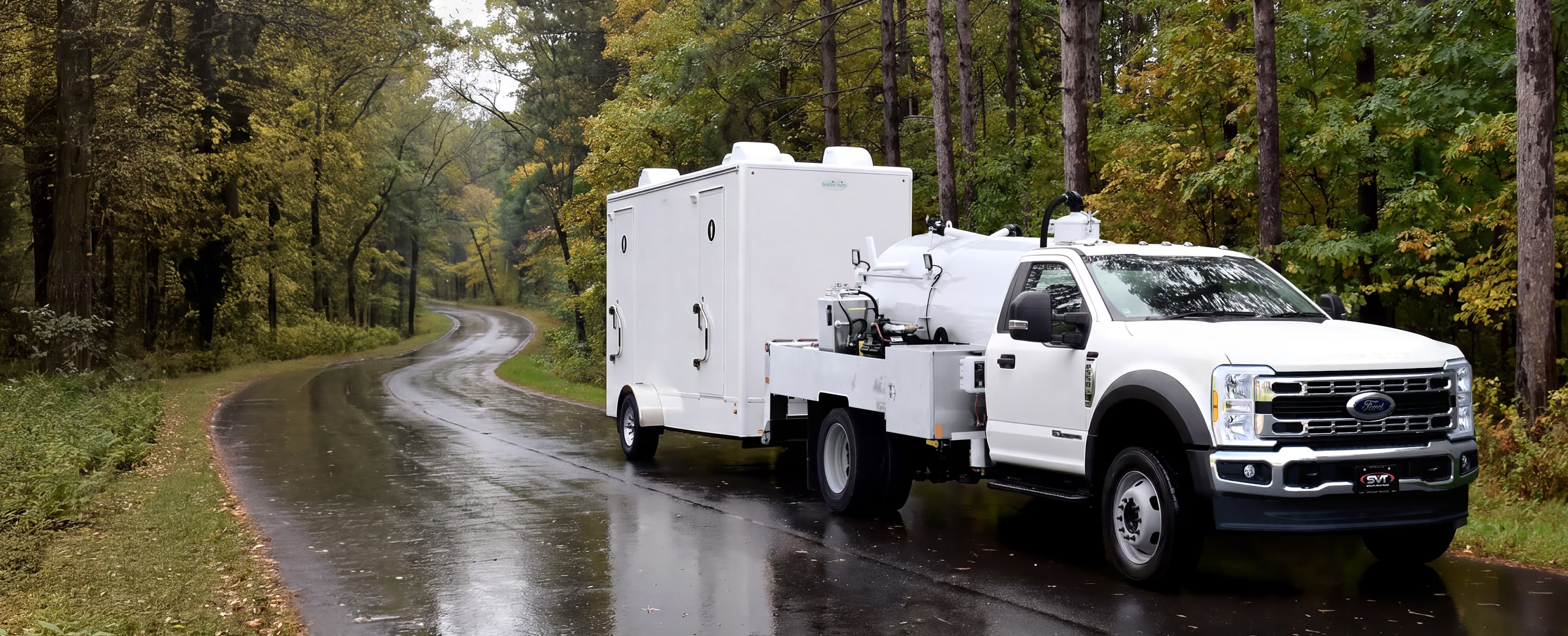
How to Winterize Portable Restrooms and Handwash Stations: A Guide for Operators
Freezing temperatures create challenges for portable sanitation operators, from frozen waste tanks and damaged plumbing to difficult service conditions. Without proper preparation, cold weather can lead to costly repairs, equipment downtime, and interruptions in service.
Whether you're maintaining portable restrooms at construction sites, supporting year-round facilities, or preparing equipment for seasonal storage, winterization is an important part of protecting your investment.
With the right cold-weather products, preventive maintenance, and service planning, operators can keep their portable restrooms and handwash stations ready for winter.
1. Prepare Portable Restrooms for Freezing Temperatures
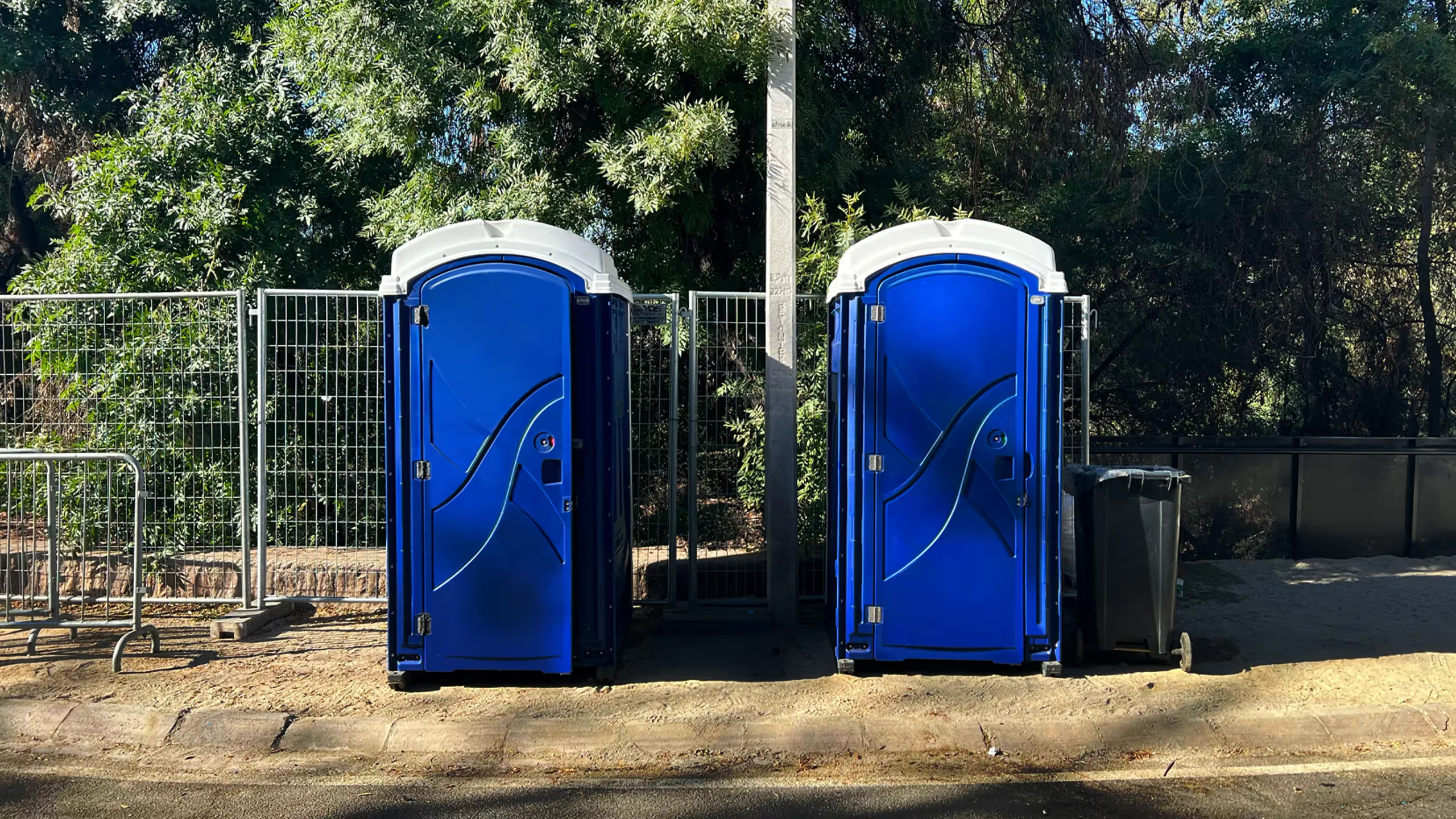
Proper placement and routine inspections are the first steps in protecting portable restrooms during winter. A few adjustments can reduce exposure to freezing conditions while keeping equipment accessible for servicing.
Choose the right location. Avoid low-lying areas where melting snow or rainwater can collect and refreeze. Standing water around entrances creates slippery conditions for users and service technicians.
Minimize wind exposure. Position restrooms near existing structures or other suitable windbreaks when possible. Units should remain properly secured and accessible, particularly during winter storms.
Take advantage of sunlight. Direct sunlight may help reduce frost buildup during the day, although it should not be relied upon as the primary method of freeze protection.
Maintain service access. Snow and ice can make it difficult for vacuum trucks and service personnel to reach units. Coordinate with site managers to keep access routes clear throughout the winter.
Inspect equipment regularly. Check waste tanks, doors, vents, and fittings for damage or areas where water may accumulate and freeze.
Satellite Industries offers a range of portable restrooms for different applications and service environments. Regardless of the model, regular winter inspections can help extend equipment life and reduce unexpected maintenance.
2. Select the Right Cold-Weather Deodorizer
Cold weather can affect the performance and handling of portable restroom chemicals. As temperatures drop, operators should review their tank treatment products and select formulations suited to winter conditions.
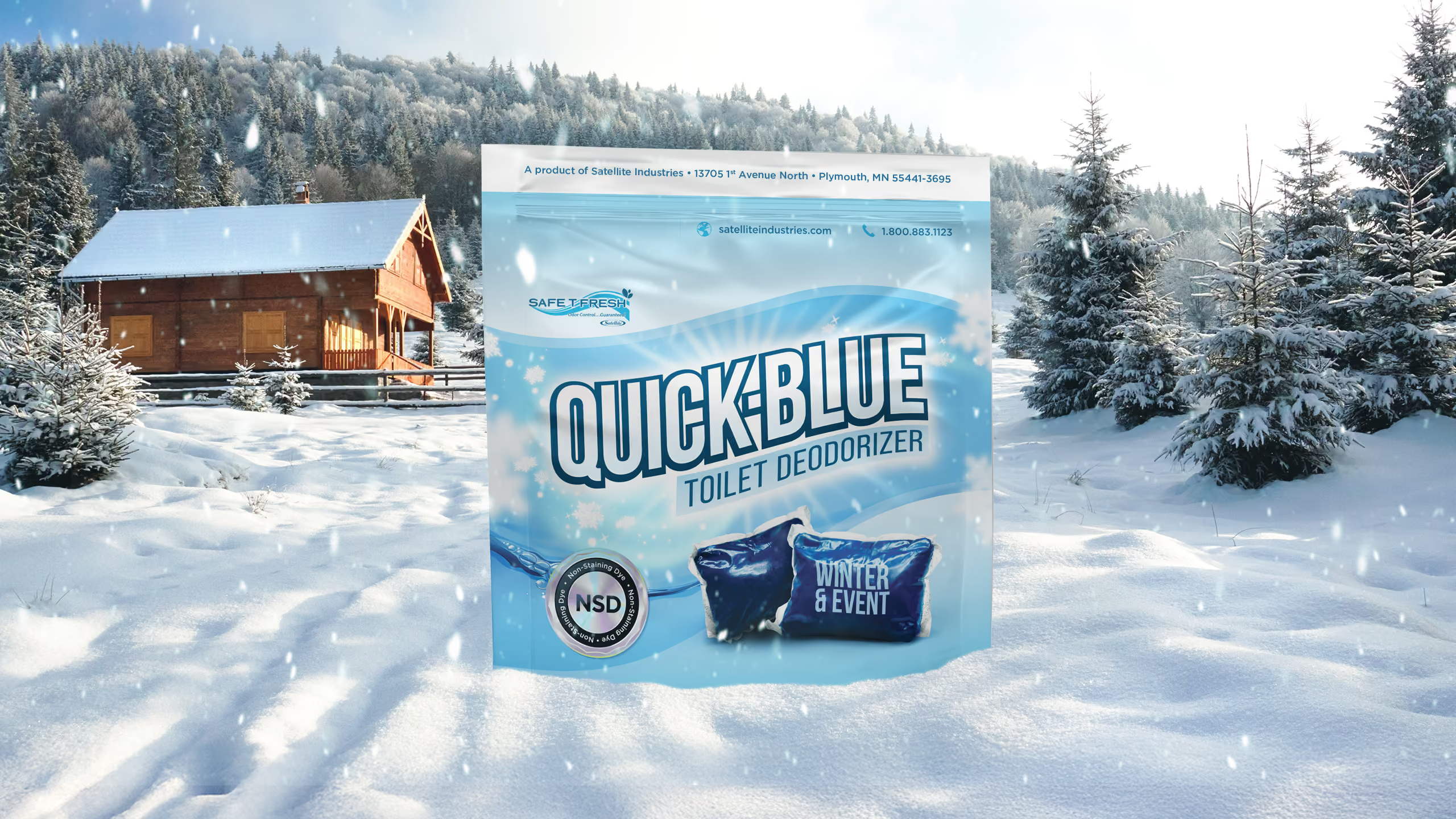
Satellite's Safe-T-Fresh line has included winter deodorizer options such as Eco Blue Winter and Quick Blue Winter, developed for portable sanitation applications. Operators should confirm current product availability and application instructions before use.
When choosing a winter deodorizer, consider the expected temperatures, waste tank capacity, usage levels, and recommended product dosage.
It's also important to understand the difference between odor control and freeze protection. A cold-weather deodorizer does not necessarily prevent tank contents from freezing. Operators should verify the product's intended purpose and determine whether additional freeze protection is required.
Selecting the appropriate products before temperatures fall can help simplify winter servicing and maintain consistent restroom conditions.
3. Protect Waste Tanks from Freezing
Frozen waste tank contents can create serious problems for portable sanitation equipment. As water freezes and expands, it can place pressure on tanks and fittings, potentially causing cracks, leaks, or other damage.
Salt-based solutions have traditionally been used to lower the freezing point of liquid inside portable restroom waste tanks. However, their effectiveness depends on the type of salt, concentration, and temperatures encountered.
Understanding salt-based solutions
Sodium chloride (rock salt) is a relatively inexpensive option commonly used in moderate winter conditions. However, its freeze-protection capabilities are limited, and it can leave residue that requires additional cleaning.
Magnesium chloride can provide protection at lower temperatures when properly formulated. Operators should consider its cost, compatibility with equipment, and wastewater disposal requirements before use.
Both options require careful evaluation. Incorrect concentrations or incompatible chemicals can create additional maintenance concerns.
Use caution with chemical additives
Methanol has historically been used in some portable restroom winterization applications, but its toxicity and flammability introduce significant safety risks. Wastewater treatment facilities may also restrict or prohibit methanol-containing waste.
Rather than relying on homemade mixtures or outdated dilution charts, operators should consult their chemical supplier and receiving wastewater treatment facility before selecting a freeze-protection solution.
The goal is to prevent freezing while protecting equipment, personnel, and the wastewater disposal process.
4. Winterize Portable Handwash Stations
Handwash stations require additional attention because freshwater tanks, pumps, hoses, and fittings can be damaged when water freezes.
Whether using freestanding stations or handwashing units installed inside portable restrooms, operators should prepare all water-containing components before freezing temperatures arrive.
Satellite offers a variety of handwashing solutions, including freestanding units such as the TAG 4 and in-unit handwash stations. Each configuration has specific maintenance requirements, making proper winterization essential.
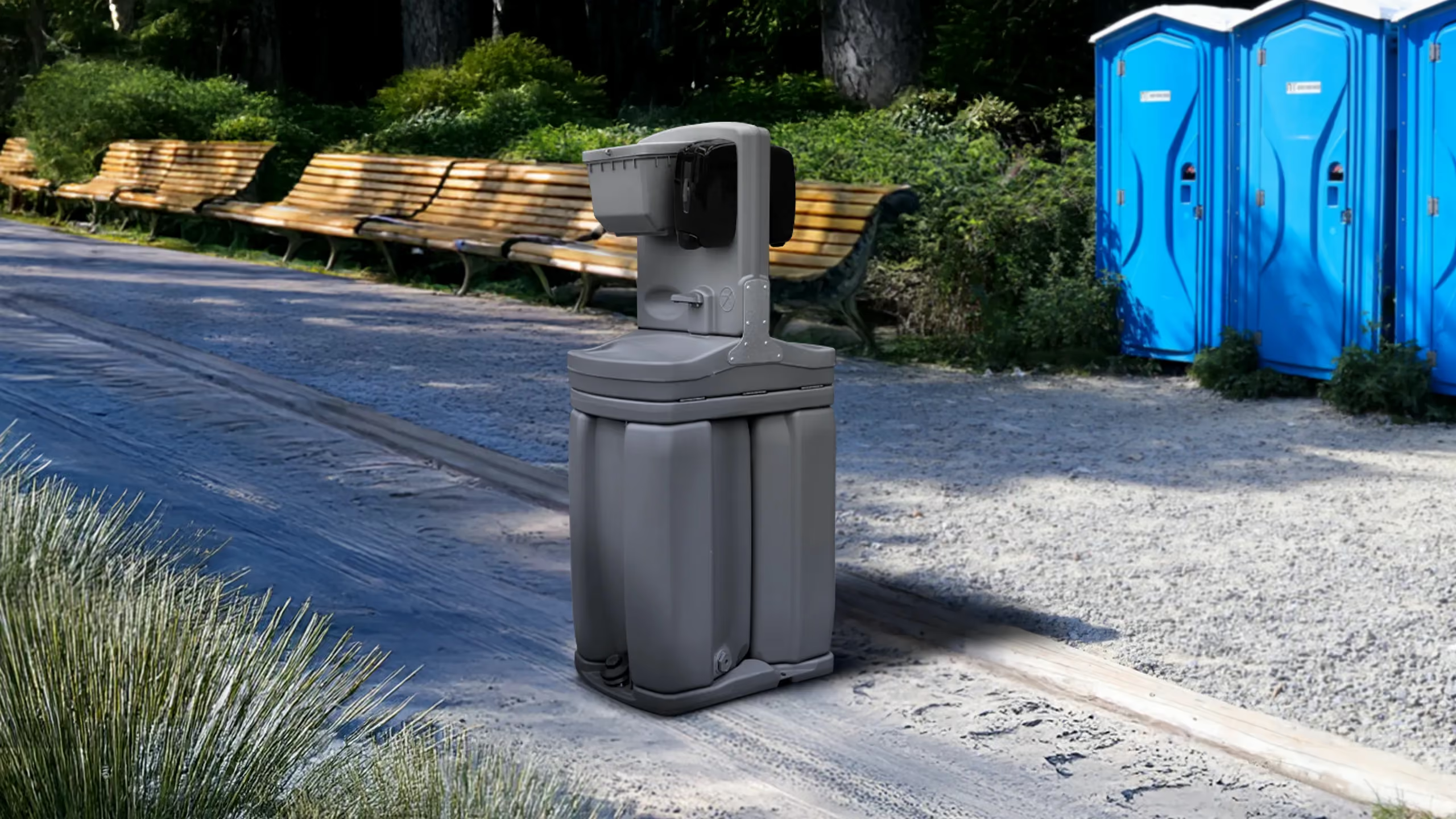
Use a handwash-specific freeze-protection product
Unlike waste tank treatments, products used in operational handwash stations must be appropriate for their intended contact with users.
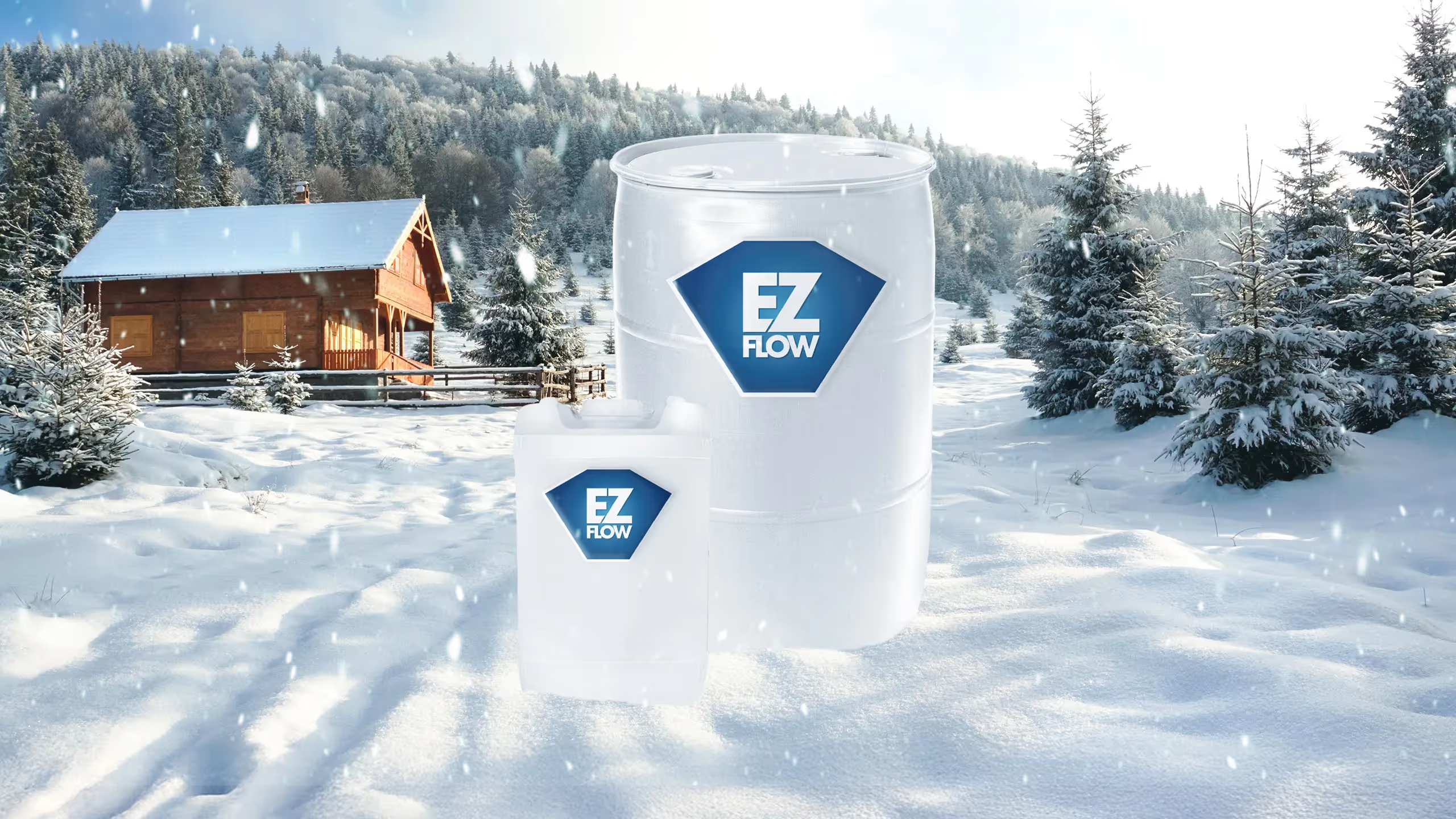
Satellite's EZ Flow™ is a freshwater anti-freezing concentrate formulated for portable handwash stations. When used according to manufacturer instructions, it helps protect water systems during cold-weather operation.
EZ Flow can also be used when preparing compatible handwash equipment for winter storage.
Before applying any freeze-protection product, operators should review the recommended dilution ratios, expected temperatures, and instructions for their specific equipment.
Preparing handwash stations for storage
Handwash stations being taken out of service should be properly drained and winterized to help prevent damage during storage.
Follow these steps as part of your winter preparation:
- Drain the freshwater and wastewater reservoirs.
- Inspect pumps, hoses, and fittings for leaks or damage.
- Add an approved winterization product according to the manufacturer's instructions.
- Cycle the pump as directed to distribute the solution throughout the plumbing.
- Store the station in a secure location and inspect it before returning it to service.
When warmer weather returns, follow the manufacturer's flushing and recommissioning instructions before placing the station back into operation.
Proper storage preparation can help reduce spring maintenance and get equipment ready for the next busy season.
5. Adjust Your Winter Service and Maintenance Routine
Winterization doesn't stop after the initial preparation. Changing temperatures, snow accumulation, and continued equipment usage can affect restroom performance throughout the season.
A proactive maintenance schedule helps operators identify potential problems before they lead to service interruptions.
Monitor weather conditions. Pay attention to overnight lows, extended freezing periods, and sudden temperature changes. Conditions may require adjustments to your freeze-protection strategy.
Inspect tanks and plumbing. During routine servicing, check for ice formation, blocked lines, damaged fittings, and restricted pump operation.
Review service schedules. Snow, ice, and difficult site access can increase the time required to complete service routes. Adjust schedules when necessary to maintain consistent coverage.
Maintain essential inventory. Keep appropriate winter chemicals, replacement components, and maintenance supplies available to reduce delays when equipment needs attention.
Preparing technicians and service vehicles for winter conditions is equally important. Clear maintenance procedures and communication between dispatchers, drivers, and customers can help keep operations running smoothly.
6. Create a Winterization Plan for Your Fleet
For operators managing multiple units or service locations, a standardized winterization process helps ensure equipment receives consistent attention.
Before the first hard freeze, review your fleet and identify which units will remain in service and which will be placed into storage.
Your winterization checklist should include:
- Inspecting portable restroom tanks, doors, and fittings.
- Evaluating unit placement, drainage, and service access.
- Selecting appropriate cold-weather deodorizers and waste tank treatments.
- Verifying chemical compatibility and wastewater disposal requirements.
- Inspecting handwash station pumps and plumbing.
- Applying approved freeze protection where needed.
- Draining and winterizing equipment scheduled for storage.
- Reviewing winter service routes and technician procedures.
- Checking inventory of chemicals and replacement parts.
Documenting these steps and incorporating them into regular technician training can help operators maintain equipment across their fleet.
Keep Your Portable Sanitation Equipment Ready for Winter
Cold weather brings additional demands, but preparation can make a significant difference in equipment performance and service reliability. By choosing the right winterization products, maintaining equipment, and adjusting service routines, operators can better protect their investments throughout the colder months.
Satellite Industries supports portable sanitation professionals with a range of portable restrooms, handwash stations, deodorizers, and maintenance products designed to meet the needs of their operations.
Get ahead of freezing temperatures. Explore Satellite's products and sanitation solutions or contact our team to find the right equipment and winterization supplies for your operation.
Frequently Asked Questions About Portable Restroom Winterization
How do you keep portable restrooms from freezing in winter?
Preventing portable restrooms from freezing requires proper placement, routine servicing, and appropriate waste tank treatments. Operators should monitor temperatures, inspect tanks and fittings, and select freeze-protection solutions suitable for their climate and equipment.
What is the best antifreeze for portable restroom waste tanks?
The best freeze-protection solution depends on expected temperatures, equipment compatibility, and local wastewater disposal requirements. Salt-based solutions have traditionally been used, but operators should consult their chemical supplier and wastewater treatment facility before selecting a product.
Can portable handwash stations be used in freezing temperatures?
Yes, portable handwash stations can operate in freezing conditions when properly equipped and maintained. Satellite's EZ Flow™ freshwater anti-freezing concentrate is designed to help protect compatible handwash systems. Always follow the manufacturer's recommended dilution ratios and operating instructions.
Do portable restrooms need special deodorizer during winter?
Cold-weather deodorizing products can help operators maintain odor control during winter servicing. Satellite's Safe-T-Fresh line has included winter formulations such as Eco Blue Winter and Quick Blue Winter. Operators should confirm current product availability and remember that deodorizing performance does not necessarily mean a product provides freeze protection.
How often should portable restrooms be serviced during winter?
Service frequency depends on usage, site conditions, weather, and customer requirements. Operators should monitor waste levels, inspect equipment for ice or damage, and adjust service schedules when freezing temperatures or difficult site access affect operations.
How do you winterize a portable handwash station for storage?
Begin by completely draining the freshwater and wastewater tanks. Inspect the plumbing, pumps, and fittings, then apply an approved winterization product according to the manufacturer's instructions. Properly preparing the water system helps reduce the risk of freeze damage while the station is out of service.
Latest from the Satellite Industries Blog
Need Help {Finding the Right Sanitation Solution?}
Satellite Industries is the largest manufacturer of portable restrooms, restroom trailers, restroom trucks, septic trucks, slide-ins, unit haulers, vacuum technology, modular solutions, consumables and deodorizers.